
Iran Reportedly Preparing to Mine Critical Global Shipping Lane
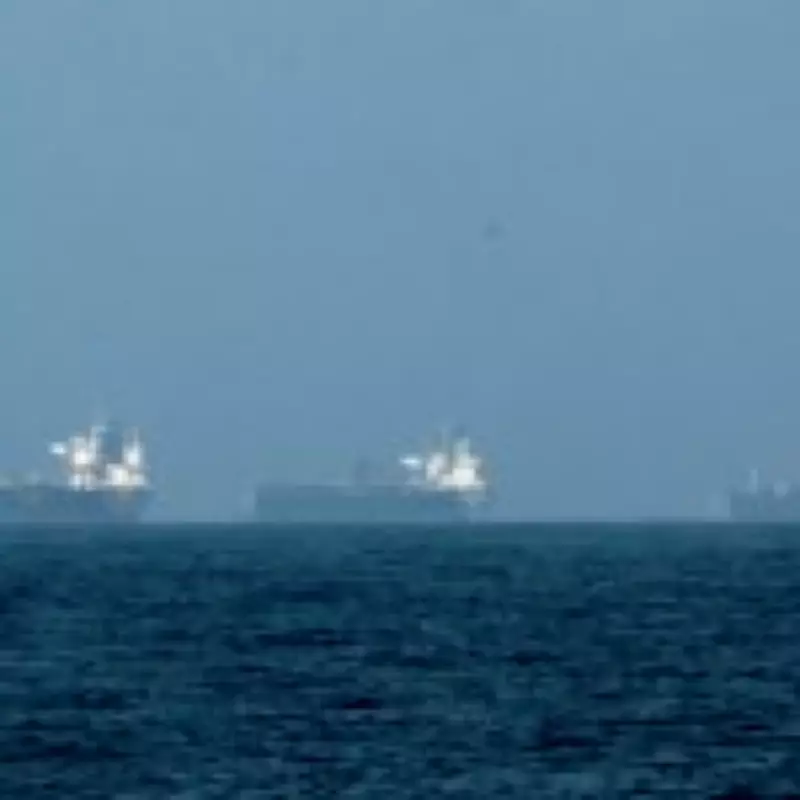
American intelligence officials have revealed alarming intelligence indicating Iran is actively preparing to deploy naval mines in the strategically vital Strait of Hormuz. This narrow waterway, located off Iran's southern coastline, serves as a crucial artery for global energy supplies, with approximately 80 oil and gas tankers navigating its waters daily.
Escalation Following US-Israel Attacks
The maritime situation has deteriorated dramatically since the United States and Israel executed a deadly military strike against Tehran. In retaliation, Iran has adopted an aggressive posture, threatening to attack any vessels that approach its territorial waters. This hostile environment has caused marine traffic through the strait to plummet, creating a severe disruption in global shipping patterns.
Only a handful of tankers have successfully transited the Hormuz in recent days, often resorting to extreme measures such as disabling their Automatic Identification Systems to conceal their positions from Iranian forces.
Intelligence Reports and Military Posturing
According to detailed reports from CBS News, US intelligence has observed small Iranian vessels operating within the transit corridor that are capable of carrying up to three naval mines each. While Tehran has not yet deployed these mines or utilized anti-ship missiles, it has conducted multiple drone strikes in proximity to the winding waterway.
The Islamic Revolutionary Guard Corps, Iran's powerful military branch, declared last week that it maintains complete control over the strait, further heightening regional tensions.
Global Economic Consequences Unfolding
Analysts are issuing urgent warnings about the potential worldwide economic fallout from this escalating conflict. The prolonged disruption of shipping through the Strait of Hormuz could significantly impact global oil and gas prices, potentially triggering increased inflation across multiple economies.
"The longer this conflict persists, the less oil and gas will be available on the global market," noted one energy analyst. This scarcity is already manifesting in price surges, particularly in regions dependent on imported energy.
- European and Asian natural gas prices have spiraled upward due to reduced liquefied natural gas imports
- Oil prices have skyrocketed, with a barrel priced at approximately £73 yesterday—representing an 81% increase since before the conflict began
- Approximately 3,200 ships, accounting for 4% of global ship tonnage, are currently idle in the Gulf region according to Clarksons Research data
Insurance Market Paralysis and Shipping Gridlock
The security crisis has created paralysis in maritime insurance markets. Frightened insurers have dramatically increased premiums and are refusing to underwrite vessels attempting to navigate the hazardous waters. Without insurance coverage, shipping companies are unwilling to risk the dangerous passage, creating a virtual blockade effect.
Political Responses and Warnings
US President Donald Trump issued a stark warning to Iran earlier today, stating that if the country obstructs oil flow through the Hormuz, "they will be hit by the United States of America 20 TIMES HARDER than they have been hit thus far."
White House Press Secretary Karoline Leavitt attempted to reassure the public about energy prices, claiming, "This operation will result in lower gas prices in the long term," and describing current price increases as temporary. However, the Trump administration is reportedly urging Israel to moderate its attacks on Iran's energy infrastructure, concerned about potential disruptions to international oil agreements.
The situation remains fluid and dangerously volatile, with the potential to escalate into a broader regional conflict that could reshape global energy markets and geopolitical alliances for years to come.




