Iran Executes Nine Protesters in Seven Days Amid War Tensions
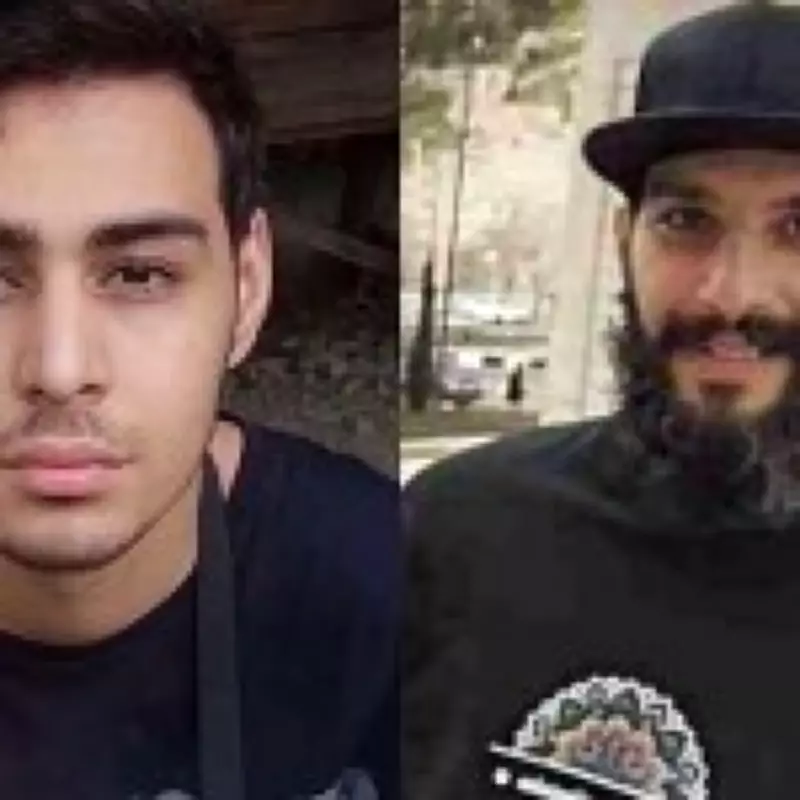
Iran has executed nine protesters over the past week, including a teenager who was reportedly tortured into a confession, according to human rights monitors. The hangings occurred at Ghezel Hesar prison, a facility sanctioned by Western nations for alleged torture practices. Among those executed were Mohammad Amin Biglari, aged 19, and Shahin Vahedparast Kolor, aged 30, both convicted of attacking a military base during protests in January.
Forced Confessions and Unfair Trials
Biglari's lawyer stated that access to his client was denied and that the confession used for conviction was highly questionable, especially for a 19-year-old who grew up without parental support. The confessions, broadcast on Iranian state media shortly after arrests, labeled the defendants as deceived youth influenced by American-Zionist terrorist elements. Iran Human Rights (IHRNGO) reported that the executions are part of a deliberate policy to suppress dissent under the cover of ongoing war.
Mahmood Amiry-Moghaddam, director of IHRNGO, emphasized that the regime's primary threat is not foreign military attacks but the Iranian people demanding fundamental change. He described the trials as grossly unfair, based on torture-tainted confessions. In the past seven days alone, at least nine political prisoners, including six members of the dissident People's Mojahedin Organisation of Iran (MEK) and three protesters, have been executed.
Four More on Death Row
Four additional individuals involved in the same case remain on death row in Iran and are said to be facing imminent execution. Maryam Rajavi, President-elect of the National Council of Resistance of Iran, commented that the regime is attempting to crush internal opposition and prevent new uprisings. She criticized Western concessions for failing to curb Iran's nuclear ambitions and regional terrorism, instead granting impunity for human rights abuses.
Amnesty International warned in February that children and young adults constituted the majority of arrests following the January protests, describing the Iranian court system as a conveyor belt for executions. The rights group highlighted that defendants are often denied legal access, tortured, and held in isolation to extract forced confessions.
Contrasting Lifestyle of Military Commander's Relative
Amid these executions, the grand-niece of Iranian military commander Qasem Soleimani, Sarinasadat Hosseiny, was pictured living a luxurious lifestyle in Los Angeles. Hosseiny, 25, and her mother, Hamideh Soleimani Afshar, had their U.S. permanent resident status revoked by Secretary of State Marco Rubio due to ties to the Iranian regime. Despite her family connections, Hosseiny's social media posts showed her traveling across the U.S., attending music festivals, and wearing attire forbidden under Iranian law, such as bikinis and miniskirts.
Her mother had previously called America the Great Satan in social media posts while living in California and expressed support for the Islamic Revolutionary Guard Corps, designated as a terrorist organization by the U.S. State Department. Both women were arrested by ICE in Los Angeles after their green cards were revoked.