Months after a ceasefire was established between Israel and Hamas, Palestinian journalists operating within Gaza continue to face extreme danger and uncertainty, with many describing the truce as hollow. Since 2023, at least 247 journalists and media workers have been killed in the conflict, making the simple act of documenting events a potentially lethal undertaking.
A Ceasefire in Name Only
The United Nations has previously condemned what it calls the Israeli military's pattern of targeting journalists in Gaza. The violence has persisted even after the formal cessation of large-scale hostilities. In a stark example from August, five journalists were killed in a reported 'double-tap' strike—an attack followed by a second strike on first responders. Israeli Prime Minister Benjamin Netanyahu later referred to the incident as a 'tragic mishap'.
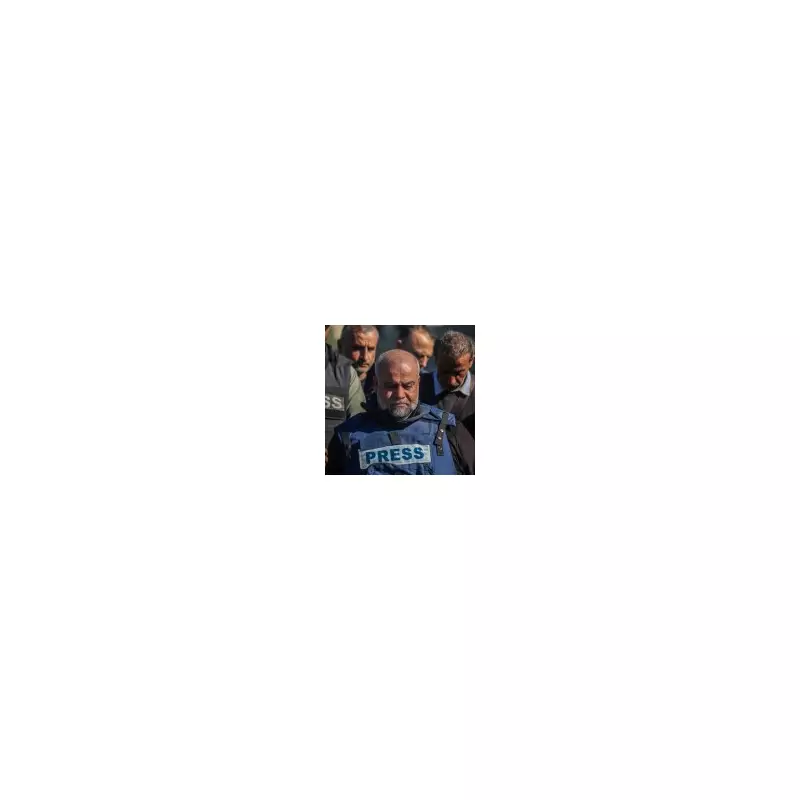
Wael al-Dahdouh, the Gaza Bureau Chief for Al Jazeera, who has lost more than 16 immediate family members in Israeli strikes, described a deliberate strategy of isolation. "Right from the beginning of this war, Israel closed the border crossings... and, more importantly, banned our colleagues, the international reporters and journalists, from entering Gaza," he told Metro. "This looks very much like an attempt to isolate the journalistic community and the people of Gaza from the rest of the world."
The Ongoing Battle for Access and Truth
The fight for independent media access to the besieged strip continues unabated. Sara Qudah, the Middle East and North Africa regional director for the Committee to Protect Journalists (CPJ), insists that access must be granted to all journalists, not just international crews. "We demand access for local Israeli journalists and other journalists who are outside Gaza. We’re asking for independent access for journalists to go inside Gaza and investigate," she explained, emphasising that reporters must work without military escort or interference.
This sentiment is echoed by Israeli journalist Gideon Levy of Haaretz, who testified at the UN about the need for protection and access. "Being an Israeli journalist in this war means, like any other foreign journalist from all over the world, not to be able to get to the battlefields and see with my own eyes in an independent way," he stated.
Living in Fear and Paying the Ultimate Price
According to the CPJ, Israel has repeatedly violated international laws protecting journalists as civilians. Sara Qudah notes that the so-called ceasefire has not ended the killings. "This does not feel like a ceasefire. The only thing that’s really changed is that the large-scale killings have decreased, but they have not stopped," she said, revealing that two journalists were killed after the truce began.
One was later falsely claimed by Israel to be a member of Hamas, an allegation for which no proof was provided. "Journalists in Gaza are still afraid. They don’t trust the ceasefire and they feel they’re still in danger," Qudah added.
The director of Israeli human rights group B'Tselem, Anat Saragusti, has written that intimidation and restricted access mean Israel's public is not receiving the full picture from Gaza, leading to coverage that "does not reflect professional journalism."
For survivors like Wael al-Dahdouh, now recovering from physical and emotional wounds in Qatar, the mission continues despite unimaginable loss. "We had to pay tons of blood," he said, reflecting on the more than 200 colleagues killed. "If the kind of people who commit these acts can feel impunity and get away with it today, someone else somewhere else tomorrow will feel the same and probably do the same." His driving force remains a profound belief in journalism, a profession that has cost him and his peers the highest price.