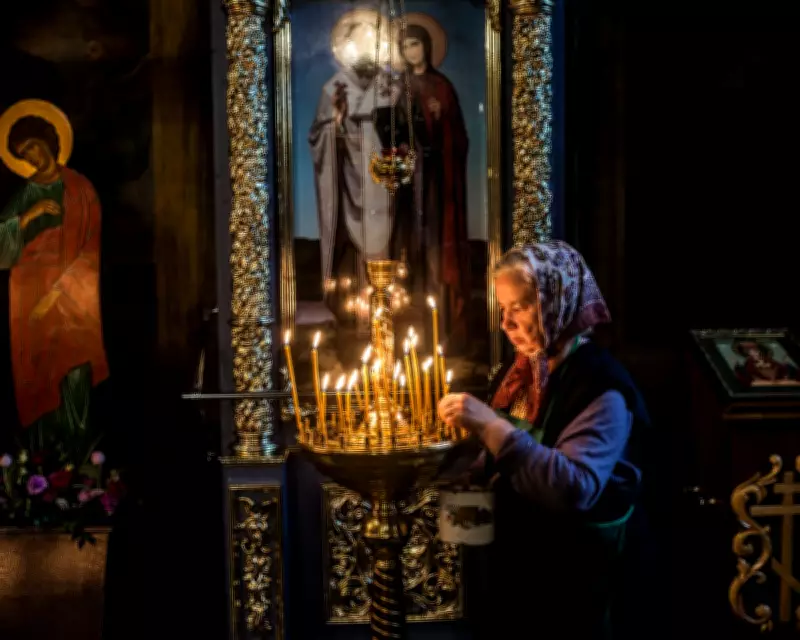
The fragile Orthodox Easter ceasefire between Russia and Ukraine officially concluded on Monday, with both nations exchanging accusations of widespread violations despite a temporary reduction in Russian aerial assaults. The 32-hour truce, which commenced at 4 PM local time (1300 GMT) on Saturday and lasted until Sunday evening, was intended to provide a period of peace during the religious holiday.
Ceasefire Details and Initial Agreements
Russian President Vladimir Putin ordered the ceasefire on Thursday, while Ukrainian President Volodymyr Zelenskyy had proposed a similar pause over a week earlier. Both sides publicly agreed to observe the temporary peace, which covered the extensive 1,200-kilometer (745-mile) frontline. However, similar to last year's Easter agreement, only relative calm was achieved along the contested border regions.
Ukrainian Reports of Violations
Ukraine's armed forces general staff reported on Sunday that they had documented 2,299 ceasefire breaches by 7 AM, including various forms of aggression such as assaults, artillery shelling, and launches of small drones. The military statement specifically noted that no incidents involving long-range drones, missiles, or guided bombs had been recorded during the truce period. A Ukrainian military officer speaking to the Associated Press on Saturday confirmed that Russian forces continued attacking Ukrainian positions despite the ceasefire agreement.
Russian Counterclaims and Civilian Casualties
Russia's defense ministry countered with its own allegations, claiming Ukrainian forces committed 1,971 ceasefire violations, including multiple drone strikes. Vyacheslav Gladkov, head of Russia's Belgorod region, reported that rescue workers had recovered the bodies of two civilians killed in what he described as a Ukrainian attack on Saturday afternoon.
Political Developments and International Relations
In a separate development, President Zelenskyy extended congratulations to Hungary's Péter Magyar following his "resounding victory" in parliamentary elections on Sunday. The Ukrainian leader pledged to collaborate with Hungary's new leadership "for the benefit of both nations" in a statement posted on social media platform X.
Zelenskyy specifically stated: "Congratulations to [Péter Magyar] and the TISZA party on their resounding victory ... We are ready for meetings and joint constructive work for the benefit of both nations, as well as peace, security, and stability in Europe." The European Union will be closely monitoring how Magyar's leadership might alter Hungary's approach toward Ukraine, given that former Prime Minister Viktor Orbán frequently obstructed EU efforts to support Ukraine against Russia's full-scale invasion while maintaining close ties with Putin and continuing Hungary's reliance on Russian energy imports.
Russian Military Objectives and Future Operations
Kremlin spokesperson Dmitry Peskov stated on Sunday that Russian troops still need to gain control over 17-18% of Ukraine's disputed Donetsk region, according to reports from the state news agency Tass. Peskov confirmed that Russian military operations would resume following the expiration of the Orthodox Easter truce, indicating no permanent cessation of hostilities.
Broader Context and Investigative Reporting
Journalist Pjotr Sauer traveled to Bucha to investigate reports of Ukrainians being recruited online by Russian intelligence services. These individuals were allegedly promised financial compensation or coerced into conducting sabotage operations against their own country, highlighting the complex psychological and informational dimensions of the ongoing conflict.
The war has now entered its 1,510th day, with both sides preparing for continued military engagements following the brief Easter pause. The international community remains watchful as diplomatic efforts continue alongside battlefield developments in this protracted conflict that continues to shape European security dynamics.