
Three Residents Detained in Dubai for Photographing Drone Strike Damage
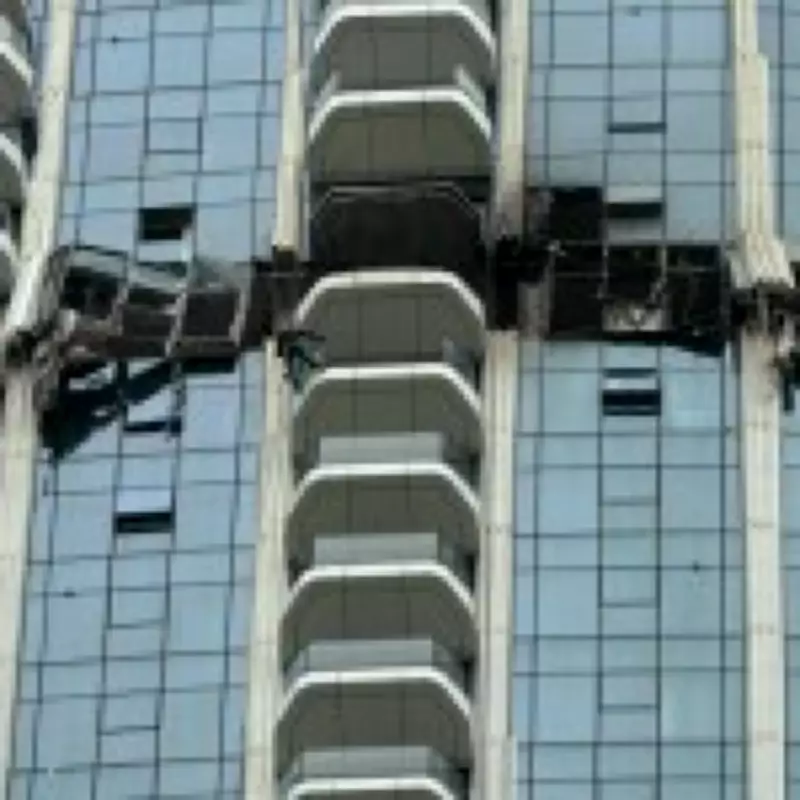
In a concerning incident in Dubai, three residents were arrested by authorities after they took photographs of a drone strike that targeted their apartment building. The individuals, who live in Creek Harbour homes, were victims of an Iranian drone strike and quickly snapped photos of the damage to reassure their families of their safety. Instead of receiving support, they were detained by police, who demanded to see the photos on their mobile phones, according to the advocacy group Detained in Dubai.
UAE's Crackdown on Sensitive Imagery
The United Arab Emirates has been intensifying efforts to suppress the sharing of photos depicting damage from Iranian strikes, aiming to maintain the facade that the UAE remains a safe destination for tourists. Authorities have stated that disseminating 'inaccurate and misleading information,' such as images of missile damage, could 'provoke public opinion and spread rumours.' Governments in Abu Dhabi and Dubai are actively monitoring social media platforms to delete any content related to missile and drone strikes.
Dubai Police issued a stern warning: 'Sharing rumours, false information, or any content that contradicts official announcements or that may cause public panic or threaten public safety, order, or health is strictly prohibited. Violators may face severe criminal penalties, including imprisonment and fines of no less than £41,000.' They emphasized, 'It may seem like just a photo... But to some, it's critical information. Do not photograph or share security or critical sites. Protecting them is a national responsibility that helps keep our community safe and secure.'
Human Response Criminalized
Radha Stirling, CEO of Detained in Dubai, expressed deep concern over the situation. 'When people experience something as shocking as a drone strike hitting their building, their first instinct is to contact their families and let them know they are safe. Criminalising that natural human response risks punishing victims rather than protecting them,' she stated. The case has become even more alarming because the residents did not publicly post the images; they merely shared them privately with family members.
Stirling added, 'Foreign residents often assume that sending a photo privately to family members is harmless. In the UAE, however, even a personal, unshared photograph related to sensitive events can trigger a full criminal investigation.' This highlights the stringent measures in place that extend beyond public sharing to private communications.
Recent Incident and Broader Context
Earlier today, an Iranian drone strike targeted a fuel tank near Dubai Airport, causing flights at the busy airport to be grounded. Dubai International Airport is the busiest airport in the Middle East and the world's busiest for international passenger traffic. Last year, 95.2 million people passed through this hub, with projections suggesting numbers could approach 100 million in 2026. This incident underscores the ongoing tensions in the region and the UAE's efforts to control the narrative around such events.
The arrests reflect a broader trend of authorities clamping down on information flow, particularly in sensitive security matters. As Dubai continues to position itself as a global tourist and business hub, maintaining an image of safety and stability is paramount, even if it means restricting individual freedoms in times of crisis.




