Debt Bondage in Pakistan's Brick Kilns Drives Workers to Sell Organs
Shafeeq Masih faced an impossible dilemma: remain enslaved by a massive debt to his brick kiln owner near Lahore, Pakistan, or sell one of his kidneys to pay it off. The owner claimed Masih owed 900,000 rupees (£2,420), a sum that grew despite his hard labor. "They see us as slaves. We just have to obey," Masih says, describing how owners manipulate accounts without challenge.
A Desperate Decision with Devastating Consequences
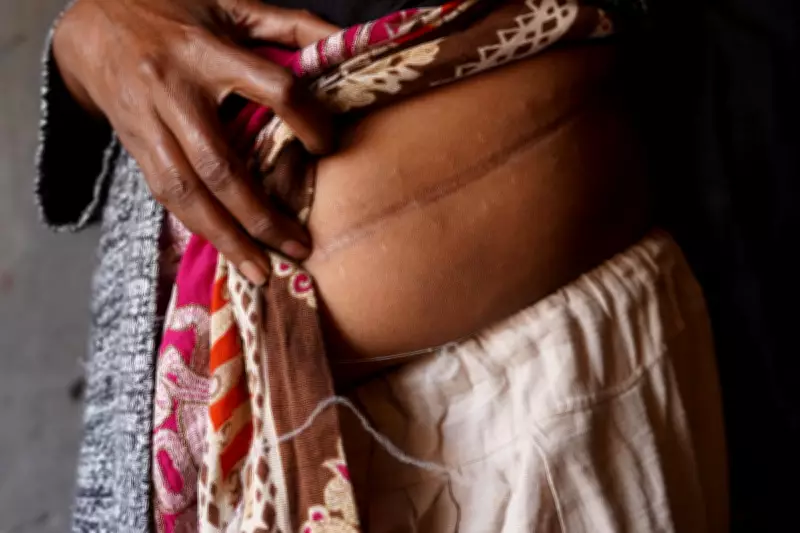
When a stranger offered 400,000 rupees for his kidney, Masih reluctantly agreed, hoping to free his family from debt. After being blindfolded and driven away, he awoke from surgery to receive only 300,000 rupees. He handed all the money to the kiln owner, but instead of relief, he was sent back to work. Two years later, Masih suffers from pain and weakness, struggling to produce bricks, and remains as deeply indebted as before.
This story is not isolated. Syed Ayaz Hussain, a lawyer with the Bonded Labour Liberation Front, estimates thousands of brick kiln workers are coerced into selling kidneys, with victims found at nearly every kiln. The Guardian interviewed seven victims in one day, highlighting a pervasive crisis. "The whole country is doing it," one worker reports, noting payments often fall short of promises, ranging from 100,000 to 300,000 rupees.
The Brutal Reality of Debt Bondage and Human Trafficking
Pakistan's brick kiln industry employs up to five million workers, many in debt bondage—a modern form of slavery. Owners provide cash advances that become traps, with wages halved for debt repayment, leaving families with as little as 800 rupees (£2.15) per 1,000 bricks. Excessive deductions for utilities and falsified accounts exacerbate the debt, enforced through threats and violence, particularly against women and minorities.
International law classifies this as human trafficking, as consent is irrelevant under coercion. Hussain believes some kiln owners profit from the organ trade, harassing workers until agents arrive to broker kidney sales. The pattern repeats across districts near Lahore, where chimneys belch smoke over families, including children as young as six, caked in mud.
Broken Dreams and Intergenerational Suffering
Workers sell kidneys hoping to secure better futures for their children, but outcomes are bleak. Sania Bibi, who started brick-making at age 10, saw her family's debt balloon to 3.5 million rupees over 40 years. Lured by promises of wealth for her kidney, she received only 100,000 rupees. "I'm in the same condition, the same place. Nothing's changed. My heart's broken," she laments.
Children inherit these debts, perpetuating cycles of poverty. With respiratory issues from pollution and heat, workers' health deteriorates, making escape even harder. Despite being illegal globally except Iran, the organ trade thrives in this shadow economy, driven by desperation and systemic abuse.
The crisis underscores urgent needs for labor reforms and human rights protections in Pakistan's brick kilns, where debt bondage enslaves generations and forces unimaginable sacrifices.