China's Luxury Car Diplomacy Accelerates Pacific Influence Race
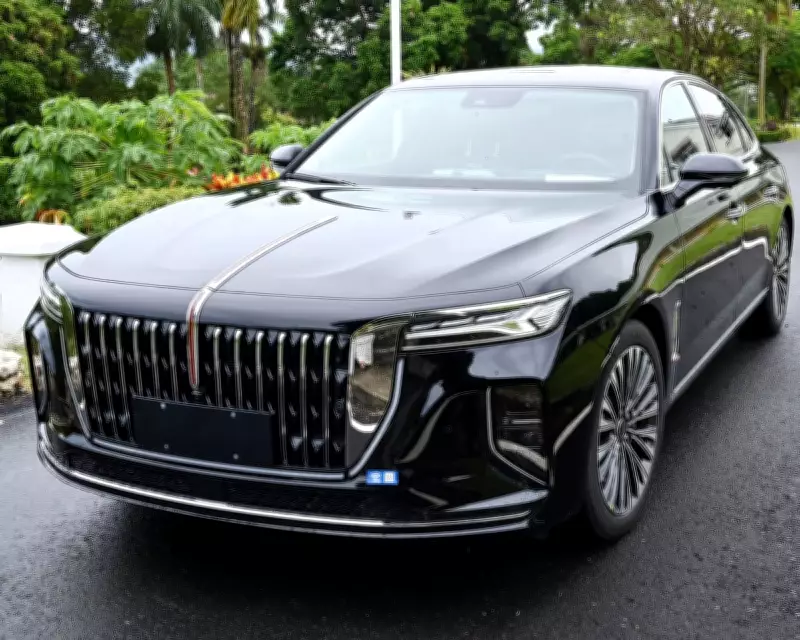
A gleaming black Hongqi H9 sedan now occupies pride of place at Fiji's state house in Suva, representing the latest chapter in what analysts term "car diplomacy" across the Pacific region. The luxury vehicle, gifted by China to President Ratu Naiqama Lalabalavu in early 2025, serves as a tangible symbol of Beijing's expanding influence campaign in strategically important island nations.
Prestige Vehicles as Diplomatic Currency
The Hongqi or "Red Flag" brand carries particular significance, being the same marque used by Chinese leader Xi Jinping during military parades and state occasions. Yun Sun, director of the China Program at the US-based Stimson Center, describes this as classic "prestige diplomacy" - a symbolic gesture designed to build personal relationships with Pacific leaders rather than deliver substantive development outcomes.
"This is more symbolic than substantive," Sun explains. "It's part of China's aid program that aims to build good personal relationships with leaders." The ceremony in January saw the luxury vehicle presented on the rain-soaked grounds of Fiji's presidential residence, with Lalabalavu publicly thanking Beijing for the "beautiful limousine."
Strategic Competition on Four Wheels
Across the vast Pacific region, where geographic isolation and high import costs make new vehicles prohibitively expensive for many governments, donated cars have become highly prized diplomatic currency. What began as practical donations of ambulances, police trucks and school buses has evolved into a visible competition between global powers seeking to court Pacific governments and solidify strategic partnerships.
Blake Johnson, Pacific affairs expert and senior analyst at the Development Intelligence Lab, observes that "vehicles are good bang-for-buck for foreign partners. They drive around every day, reinforcing that relationship again and again." These "moving billboards" - whether rubbish trucks in Honiara emblazoned with "China Aid" or government cars in Vanuatu bearing Korean donation stickers - provide constant visibility for donor nations.
Multilateral Vehicle Diplomacy Intensifies
China's growing presence has particularly unsettled Australia, which has long positioned itself as the Pacific's primary partner and remains the region's largest foreign aid donor. Canberra has responded by expanding policing partnerships, security agreements and infrastructure assistance - including its own vehicle donation programs.
The competition became particularly visible last year when Solomon Islands' prime minister released two public statements in quick succession - first thanking Australia for a fleet of police vehicles, then expressing gratitude to China for a fleet of SUVs. Johnson describes this incident as highlighting "a level of one-upmanship" and Australia's determination to maintain its relationships despite Beijing's growing influence.
Beyond the China-Australia rivalry, multiple nations participate in this automotive diplomacy. The United States donated two ambulances to Palau in January, while Japan, Korea and New Zealand have all supplied vehicle fleets to various Pacific governments over recent years.
Political Messaging and Strategic Objectives
The link between vehicle gifts and political messaging remains unmistakable. During the Hongqi handover ceremony in February, President Lalabalavu reaffirmed Fiji's commitment to the "One China policy" - Beijing's claim that Taiwan forms part of Chinese territory. This reiteration, Johnson notes, "is a common phrase that comes along with most kinds of ceremonies where Pacific leaders receive gifts or thank China for aid and support."
China's broader objective involves persuading Pacific nations to cut ties with Taiwan and publicly endorse Beijing's One China principle. Seven years ago, Taiwan counted six allies in the Pacific region. Following Nauru's decision to sever Taiwan ties in 2024, only three remain: Tuvalu, the Marshall Islands and Palau.
Over the past decade, China has steadily expanded its diplomatic, economic and political footprint across the Pacific through infrastructure projects, development aid and high-profile gifts like the Hongqi sedan. As Johnson pragmatically observes, "A free limo here and there is pretty hard to turn away" for Pacific island countries that need support, regardless of the donor's geopolitical motivations.
This automotive diplomacy represents just one facet of intensifying strategic competition in a region where traditional partnerships are being tested and new alliances are forming through both practical assistance and symbolic gestures.