At least fifteen people have been confirmed dead following a devastating terror attack at a Hanukah celebration near Bondi Beach in Sydney, Australia. The shooting, carried out by two gunmen on Sunday, also left 38 individuals wounded, with 24 still hospitalised as of Tuesday.
A Community Celebration Turned to Tragedy
The victims, whose ages range from 10 to 87 years old, were predominantly gathered to mark the first night of the Jewish festival of Hanukah. This horrific incident now stands as Australia's deadliest mass shooting since the 1996 Port Arthur massacre, sending shockwaves through the nation and the global community.
Among those killed were Holocaust survivors, dedicated community volunteers, faith leaders, and civilians who bravely attempted to intervene and stop the assailants. The attack has left a profound scar on Sydney's Jewish community and the wider Australian public.
Remembering the Victims
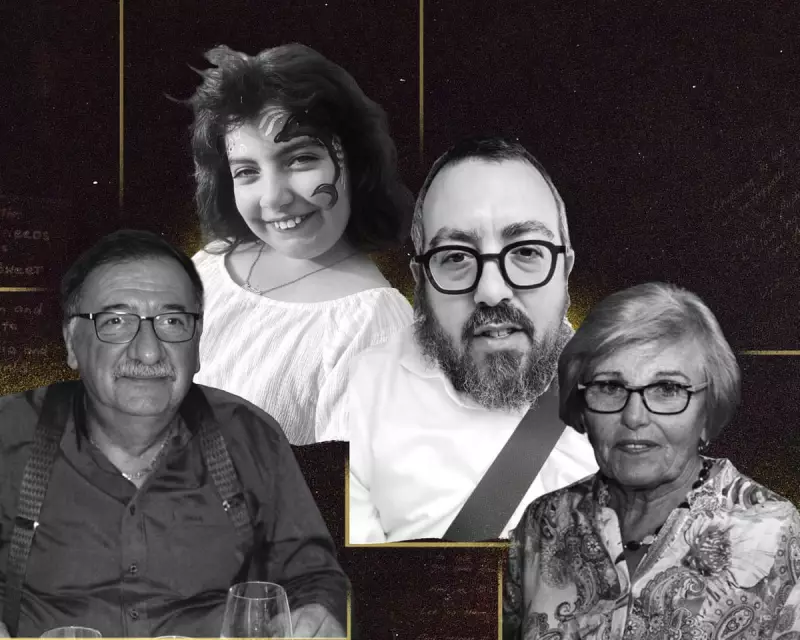
While the full list of victims is still being confirmed, several names have been released, painting a picture of a diverse and cherished group. Tibor Weitzen, Matilda, Rabbi Eli Schlanger, and Marika Pogany are among those who have been publicly identified so far. Further details about their lives and the circumstances of their deaths are expected to be released by authorities in the coming days.
The attack has prompted an outpouring of grief and solidarity. Support services in Australia, including Beyond Blue, Lifeline, and Griefline, have made their resources available to those affected by the trauma. In the United Kingdom, the charity Mind offers support on 0300 123 3393.
Aftermath and Ongoing Response
The investigation into the attack remains active, with police working to establish a complete timeline and the motivations behind the violence. The two police officers who were among the wounded are reported to be in a stable condition. The community around Bondi and across Sydney continues to mourn, with vigils being held to honour the lives lost.
This tragic event has reignited discussions about public safety, security at community gatherings, and the enduring impact of targeted violence. The stories of the victims—from the eldest to the youngest—serve as a sombre reminder of the human cost of such attacks.