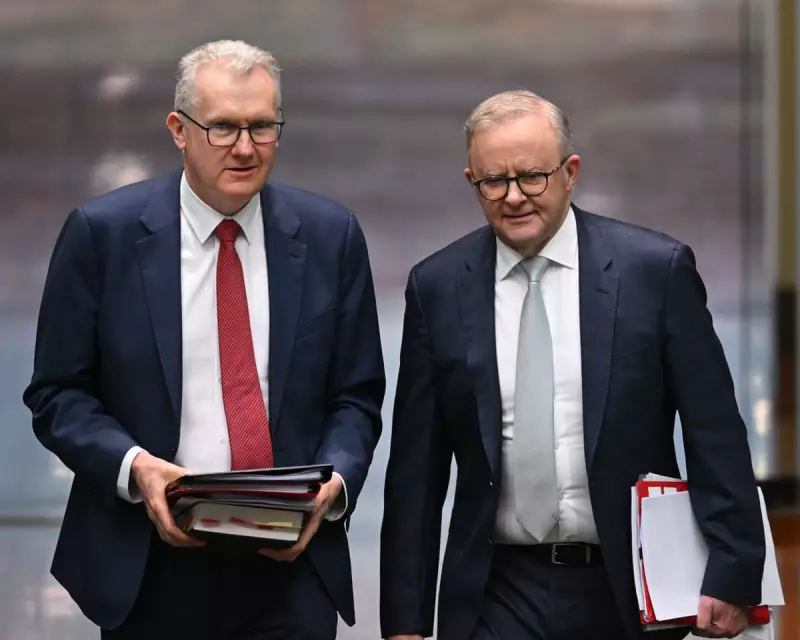
Prime Minister Anthony Albanese has firmly rejected calls for a federal royal commission into the Bondi beach terror attack, opting instead for a faster, narrower review of intelligence agencies. The decision comes despite direct pleas from the families of 11 victims and prominent Jewish community leaders who are demanding a full national inquiry.
Government Defends Swift Review Over Public Inquiry
At a press conference in Canberra, Mr Albanese and Home Affairs Minister Tony Burke defended the government's plan for a review led by former ASIO chief Dennis Richardson. They argued that a royal commission would be too slow and could inadvertently provide a platform for harmful rhetoric.
"Royal commissions can be good at deciding facts. What the Richardson review will do is decide facts," the Prime Minister stated. He expressed concern that a public commission would enable "a repetition of some of the worst developments" seen during the crisis.
Echoing this sentiment, Tony Burke claimed a royal commission would "provide a public platform for some of the worst statements and worst voices," effectively forcing the nation to relive traumatic instances of antisemitism.
Community Backlash and Coalition Pressure
The government's stance has been met with significant criticism. Alex Ryvchin, co-CEO of the Executive Council of Australian Jewry, labelled the Richardson review an "ineffective half measure." He emphasised that a federal royal commission was "the least that can be done" and criticised the government for not listening to the community and experts.
Opposition Leader Sussan Ley accused the Prime Minister of insulting grieving families by speaking over them. "Australians do not need to be shielded from the truth. We honour the lives of those who have been lost by confronting uncomfortable truths," she said. The Coalition has proposed its own terms of reference for a royal commission and expressed a willingness to negotiate with the government.
Focus of the Richardson Review
The Richardson review, announced to report by April, will focus specifically on federal agencies. Its key areas of investigation will include:
- The powers, efficiency, and systems of federal law enforcement and intelligence agencies.
- Information-sharing protocols between agencies.
- What was known about the alleged offenders prior to the attack on the Hanukah festival, which killed 15 people.
- Barriers that prevented authorities from taking preventative action.
- Future recommendations, including the sufficiency of warrant and data access powers.
The government has also pointed to the existing New South Wales state royal commission, pledging full federal cooperation with that inquiry. However, critics argue a national perspective is essential to fully address systemic issues of antisemitism and security failures across Australia.