
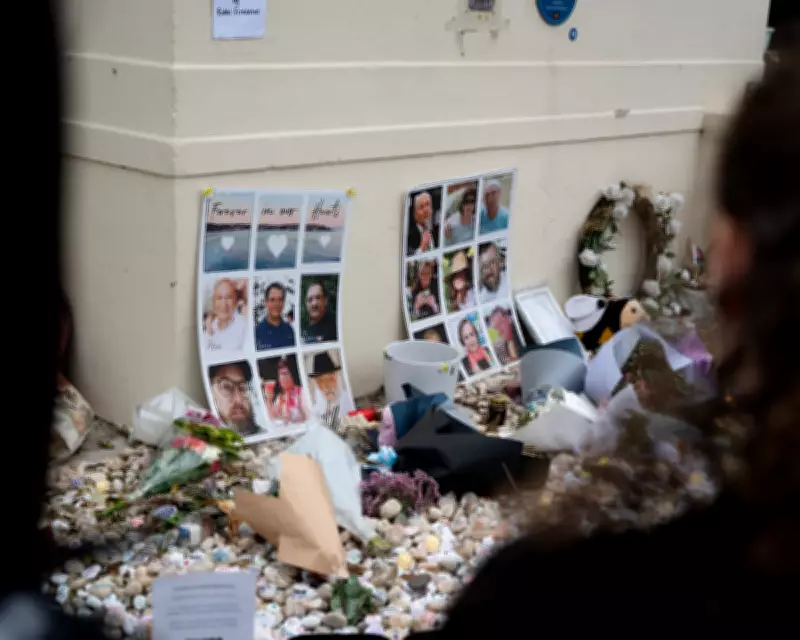
The Australian Broadcasting Corporation is proceeding with the broadcast of a controversial Four Corners investigation into the Bondi beach terror attack, despite an unprecedented public intervention from the Australian Security Intelligence Organisation. Asio has taken the unusual step of releasing a statement claiming the episode contains "significant errors of fact" and warning of potential further action if unsubstantiated claims are aired.
Intelligence Agency's Unprecedented Public Statement
In a rare move, Asio publicly released the statement it provided to the ABC in response to detailed questions from the investigative program ahead of Monday night's scheduled broadcast. The intelligence agency confirmed it had not seen the completed program but made assumptions based on the questions submitted, including allegations about the ABC using unreliable sources.
Asio specifically denied receiving intelligence about alleged shooter Sajid Akram being part of a group discussing plans to establish a pro-Islamic State community in Türkiye. The agency also disputed claims that Sajid's son Naveed was "a close associate" of known terrorists, despite the program's investigation suggesting otherwise.
ABC Stands Firm on Broadcast Decision
The ABC has confirmed that Asio's intervention will not affect the planned 8.30pm broadcast of Path to Terror, describing the program as a comprehensive seven-week investigation. An ABC spokesperson stated that the program "spoke to numerous people and provides a number of sources of information" about the Akrams' actions and associations in the years preceding the December attack.
Reporter Sean Rubinsztein-Dunlop revealed that the investigation has uncovered new information about the years leading up to the antisemitic massacre at Bondi beach. The program questions whether Asio's 2019 assessment of then-17-year-old Naveed Akram as not being an ongoing threat was the correct determination, given subsequent events.
Political and Security Implications
Prime Minister Anthony Albanese indicated shortly after the attack that systems needed examination, particularly regarding the 2019 assessment of Naveed Akram. The program forms part of a two-part series on the Bondi massacre, following last week's minute-by-minute account of how the tragedy unfolded during Hanukah celebrations.
The unusual public dispute between a national broadcaster and the country's primary intelligence agency raises significant questions about:
- The balance between national security transparency and operational secrecy
- Media responsibility when reporting on sensitive security matters
- Public accountability for intelligence assessments
- The verification processes for investigative journalism involving classified information
Broader Context and Future Developments
Asio's statement explicitly warned that "if the ABC chooses to publish claims it cannot substantiate – particularly ones it has been told are untrue – we will reserve our right to take further action." This represents an unusually direct threat from an intelligence agency toward a public broadcaster.
The controversy is expected to feature prominently when ABC managing director Hugh Marks appears before Senate estimates on Tuesday. The program's broadcast and Asio's response highlight ongoing tensions between media freedom and national security considerations in Australia's counter-terrorism landscape.
Path to Terror examines whether there were failures in intelligence and counter-terrorism leading up to what has been described as the nation's worst terrorist attack, while tracking the radicalisation paths of father and son Sajid and Naveed Akram. The program's airing despite official objections underscores the ABC's commitment to investigative journalism while raising questions about factual accuracy in sensitive security reporting.




