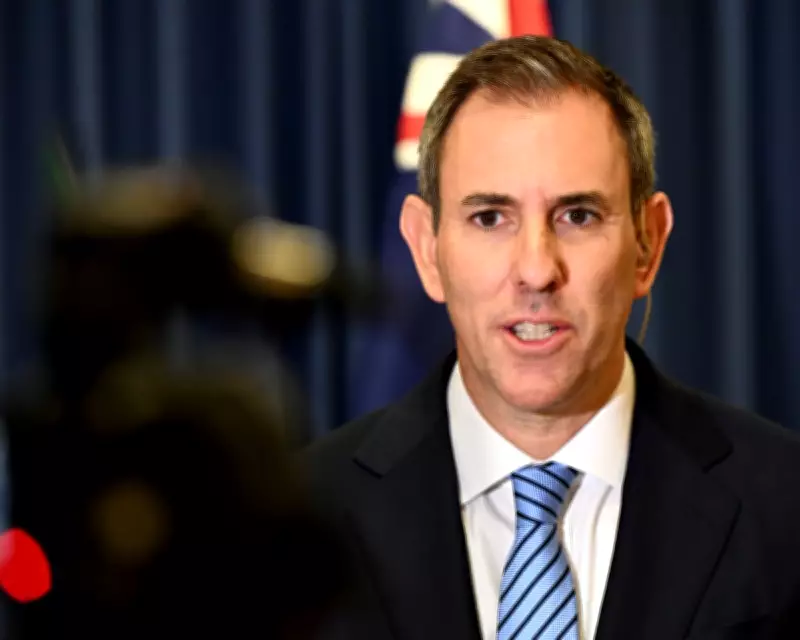
Treasurer Jim Chalmers Confirms Negative Gearing Reforms Under Consideration
Australian Treasurer Jim Chalmers has publicly acknowledged that potential changes to negative gearing are actively on the table as the government prepares for the upcoming May budget. This announcement has ignited widespread discussion among policymakers, economists, and the public regarding the future of housing affordability and tax structures in Australia.
Budget Preparations and Policy Discussions
In recent statements, Chalmers emphasized that the government is thoroughly evaluating various tax measures, with negative gearing reforms being a key point of deliberation. Negative gering, a tax strategy that allows property investors to deduct losses from rental properties against their taxable income, has long been a contentious issue in Australian politics. Critics argue it exacerbates housing unaffordability by inflating property prices, while supporters claim it encourages investment in the rental market.
The Treasurer highlighted that any proposed changes would be carefully crafted to balance economic growth with social equity. He noted that the budget process involves extensive consultations with stakeholders, including real estate groups, financial experts, and community advocates, to ensure that reforms are both effective and fair.

Implications for Housing and Economy
If implemented, reforms to negative gearing could have significant implications for Australia's property market and broader economy. Proponents of change suggest that limiting or modifying negative gearing could help cool overheated housing markets, making homeownership more accessible for first-time buyers. However, opponents warn that such measures might reduce investment in rental properties, potentially leading to higher rents and decreased housing supply.
Chalmers reassured the public that the government is committed to a measured approach, considering both short-term impacts and long-term sustainability. He pointed to ongoing challenges in housing affordability, particularly in major cities like Sydney and Melbourne, as a driving force behind the review of tax policies like negative gearing.
Political and Public Reaction
The announcement has already sparked a flurry of reactions across the political spectrum. Opposition leaders have expressed concerns about the potential economic fallout, while housing advocates have welcomed the move as a step toward addressing inequality. Public opinion remains divided, with many Australians closely watching how the government will navigate this complex issue in the lead-up to the budget release.
As the May budget approaches, all eyes will be on Treasurer Chalmers and his team to see whether they will proceed with reforms to negative gearing. The outcome could shape Australia's housing landscape for years to come, making this one of the most anticipated budget announcements in recent memory.