A stark new poll has revealed that the vast majority of British voters are braced for further damaging tax increases this year, with deep concerns that higher levies will harm the UK's economic growth.
Overwhelming Public Pessimism on Taxes and Finances
The survey, conducted by Freshwater Strategy for City AM between 9 and 11 January 2026, found that 77 per cent of Britons expect taxes to be hiked again in 2026. Only 18 per cent of respondents said they did not anticipate rises.
This sentiment cuts across party lines, with supporters of the Conservative Party most likely to believe taxes will rise, followed by those backing Reform and the Liberal Democrats. Significantly, 59 per cent of Labour voters also share this expectation.

The polling paints a gloomy picture of the national mood. Despite Prime Minister Keir Starmer's new year focus on improving living standards, 71 per cent of people remain pessimistic about the cost of living. Furthermore, two-thirds of voters (66 per cent) reported feeling downbeat about their household finances and the tax burden.
Tax Burden Seen as a Threat to Economic Growth
The data exposes a fundamental fear among the electorate: that increasing the tax take will damage the economy. A striking 84 per cent of voters said they were concerned about tax rises harming the UK economy, with over a third (37 per cent) stating they were "very concerned".
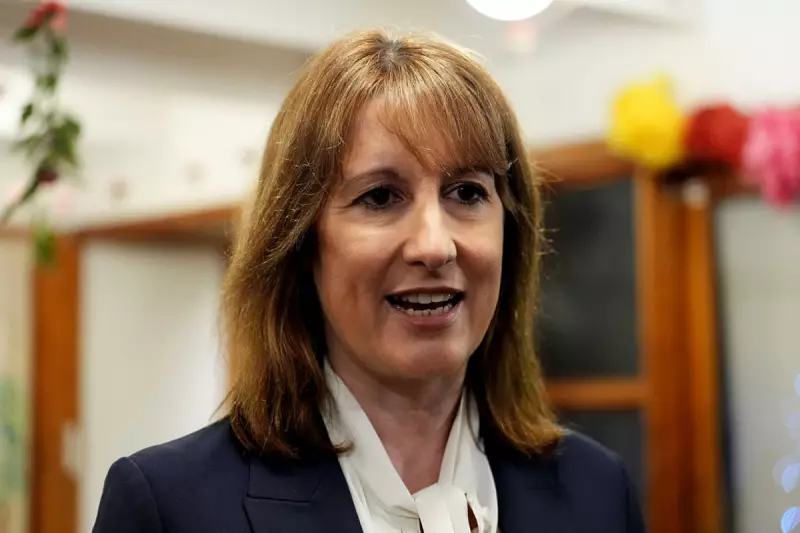
These findings risk reflecting poorly on Chancellor Rachel Reeves, who has been labelled the largest tax-raising Chancellor since the Second World War. Her two Budgets have increased Treasury receipts by an estimated £75bn.
While City analysts have noted her efforts to build fiscal headroom—now worth £21.7bn—worries over defence spending shortfalls and the financial impact of reduced immigration have led some experts to suggest further tax announcements may be necessary.
Political Repercussions and Leadership Under Scrutiny
The cost of living remains the top electoral issue for voters, ranking above defence, immigration, and healthcare. Cutting taxes was only the seventh most important priority.
The poll also delivered worrying personal ratings for key figures. Chancellor Reeves's approval ratings only narrowly beat those of the Prime Minister. In contrast, Health Secretary Wes Streeting, seen as a potential successor to Starmer, scored more than 30 points higher, with a rating of -11.
With crucial local elections in May, Labour strategists will be scrutinising public communication on the cost of living. The survey indicated that a majority of voters believe it is "unlikely" Keir Starmer will still be Prime Minister by the end of the year, and Labour MPs are expected to demand a change of leadership following any significant electoral defeat.
Methodology note: Freshwater Strategy interviewed 1,250 eligible UK voters aged 18+ online. The margin of error is +/- 2.8%. Data is weighted to be representative of the electorate.