
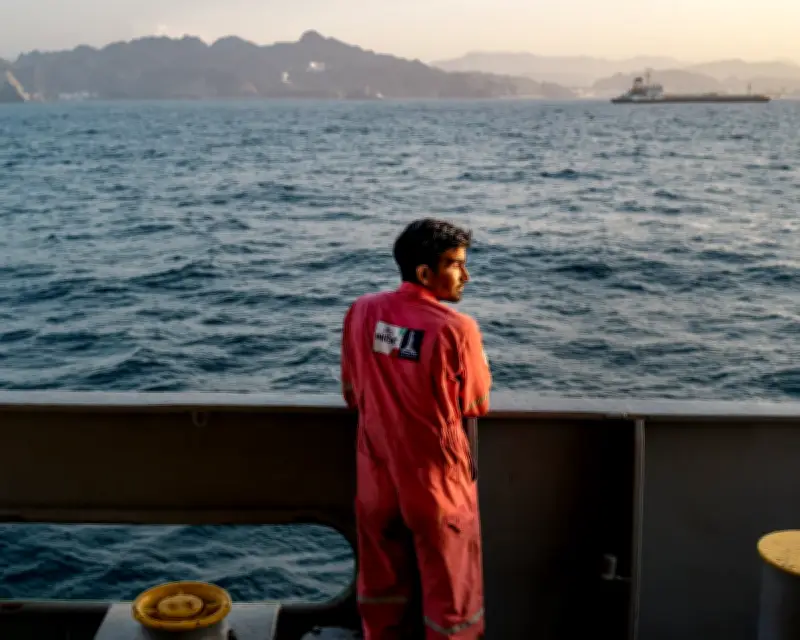
Iran has rejected a UN-backed plan for the mass evacuation of ships trapped in the Strait of Hormuz, escalating tensions over the strategic waterway vital to the global economy. The proposal, supported by Oman, was seen as a potential first step toward a broader Omani initiative to establish a new management system for the strait based on voluntary fees, modeled on the Malacca and Singapore strait mechanism.
Iran's rejection and its implications
The rejection signals a divergence between Iran and Oman's visions for the strait's future, despite ongoing consultations to align their plans. It also undermines Saudi Arabia's efforts to convene a conference aimed at normalizing relations between Gulf states and Iran through a proposed non-aggression pact. Shipping through the strait had been gradually increasing since Iran and the US signed a memorandum of understanding last week, under which Tehran agreed to ensure full freedom of navigation and impose no fees or tolls for at least 60 days.
On Thursday, the Islamic Revolutionary Guard Corps (IRGC) rejected the coordinates of two temporary shipping evacuation lanes announced by the UN's International Maritime Organization (IMO) in coordination with Oman. The existing transit separation scheme (TSS) route remains impassable due to mines. The IMO proposed one route to the north in mined Iranian sovereign waters and another more passable route to the south in Omani waters.
IMO and Oman's coordination efforts
The IMO and Oman had advised that the evacuation of hundreds of ships, some trapped for months, required coordination to allocate transit days and waiting areas. The statement issuing the coordinates came from the Oman National Hydrographic Office, but the IRGC's negative reaction indicated a lack of Iranian agreement. The IRGC described any alternative transit routes as “unacceptable and completely dangerous,” warning that traffic outside official routes is prohibited and that coordination with the IRGC navy is mandatory for any transit through the waterway.
The Strait of Hormuz remains Iran's key negotiating leverage, and Tehran is reluctant to weaken it while bargaining over US sanctions, asset relief, and its nuclear program continues. Iran's parliament speaker and chief negotiator, Mohammad Ghalibaf, stated that the strait will never return to its status before February 28, the date of the first combined US-Israeli attack on Iran. “Everyone should know that the administration of the strait of Hormuz will never go back to the way it was before the war,” Ghalibaf said.
Lebanon as a stumbling block
Lebanon has also emerged as a hurdle in US-Iran talks aimed at a permanent peace after 60 days. Iran demands Israeli troops withdraw from southern Lebanon, where they occupy over 600 square kilometers. Israeli and Lebanese officials denied any Israeli withdrawal on Thursday, contradicting a US official's statement that Israel had recalled some troops as a goodwill gesture. Discussions on a phased withdrawal have been ongoing, with the Lebanese army set to take control of vacated areas to prevent Hezbollah from re-entering.
An Israeli government spokesperson, David Mencer, said any military redeployment in southern Lebanon would only occur after Hezbollah is disarmed. Israel's defense minister had previously stated Israel would not withdraw. Israeli bombing of Lebanon has repeatedly disrupted US-Iran talks; a flare-up in fighting last week prompted Iran to threaten closure of the strait. A weekend ceasefire has largely stopped the fighting, but Israeli airstrikes and shootings continue near occupied areas. On Thursday, an Israeli drone strike killed three people in south Lebanon.
Diplomatic efforts and future administration
US Secretary of State Marco Rubio said Israel and Lebanon are making progress, stating they are “very close” to a commitment of intent. With fighting in Lebanon calming, diplomatic attention has returned to the Strait of Hormuz. Iran and Oman's foreign ministries agreed to set up a working party on the strait's future administration. Oman insists any proposal comply with Article 43 of the UN Convention on the Law of the Sea and believes cooperation with the IMO humanitarian rescue mission increases the likelihood of a new long-term system.
Gulf states and Western countries have warned Iran and Oman against imposing fees or tolls, which they argue would breach fundamental law of the sea principles. Oman, a full signatory to the UN convention, maintains its scheme would only seek voluntary contributions for environmental and safety services. Recent days have seen a stream of diplomats visiting Muscat to understand Oman's position and whether it deems Iran's plans lawful. Tanker Trackers estimates Iran has exported 40 million barrels of crude oil since June 15, half of which occurred on Friday last week. Arab states like Saudi Arabia and Qatar strongly oppose tolls, though some Saudi diplomats appear open to paying fees if proven lawful and not extortionate.




