
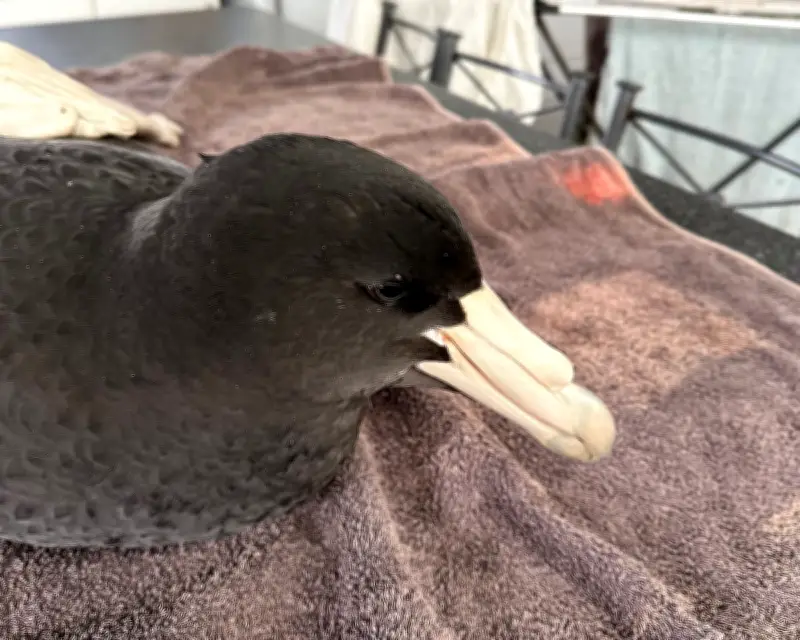
A giant petrel found sick on a beach in Western Australia has tested positive for the H5N1 strain of avian influenza, two days after a brown skua was confirmed with the same virus. Both birds have since died, marking the first cases of H5N1 in Australia since the global outbreak began in 2021.
Unusual landfall signals potential outbreak
Brown skuas and giant petrels rarely venture onto land, spending most of their time at sea. The discovery of two sick birds on beaches a few kilometres apart near Esperance raised immediate concerns. Dr. Beth Cookson, Australia's chief veterinary officer, stated there is no evidence the infections have spread to other birds, but authorities remain on high alert.
Almost 60 reports of sick and dead birds in Western Australia were made to a nationwide hotline over the weekend, indicating heightened public awareness and monitoring.
Origin and transmission concerns
Experts had anticipated that H5N1 would likely reach Australia via migratory birds from the northern hemisphere. However, the arrival from Antarctica was always considered a possibility. Dr. Lauren Roman, a seabird researcher at the University of Tasmania, noted that biosecurity efforts had focused on the north, but surveillance across Australia had been ongoing for over two years.
Giant petrels and brown skuas breed in Antarctica during summer and migrate north during winter, foraging in southern Australian waters. Their scavenging behaviour is thought to be a key transmission route for the virus. Simon Gorta, an ecologist at the University of New South Wales, explained that skuas have been implicated in spreading the disease, but it is not their fault—the virus poses a significant threat to already vulnerable seabird populations.
Potential impact on wildlife and industry
The arrival of H5N1 could have devastating consequences for Australian wildlife and the poultry industry. Globally, the virus has killed millions of birds and mammals since 2021. In Antarctica, more than 13,000 seal pups died from the disease between October last year and January, along with penguins and petrels.
Dale Wright, acting director of conservation science at BirdLife Australia, warned that other sick birds may arrive on Australian shores, potentially spreading the virus to local species. Pelagic birds rarely come ashore unless sick or attracted by food sources like whale carcasses, but if an infected bird dies on land, scavengers such as gulls could transmit the disease further.
Public health advice
Authorities advise anyone who finds sick or dead birds or marine mammals to avoid handling them, take photos or video, and report to the Emergency Animal Disease Hotline on 1800 675 888.




