For years, charting the crises, numbers, and political battles of the National Health Service was a staple of my work as a journalist. I knew its flaws intimately. Yet, everything felt profoundly different when I recently crossed the line from commentator to patient, arriving as an emergency admission at a London hospital.
A Ward's Alchemy: Witnessing Care Beyond the Crisis
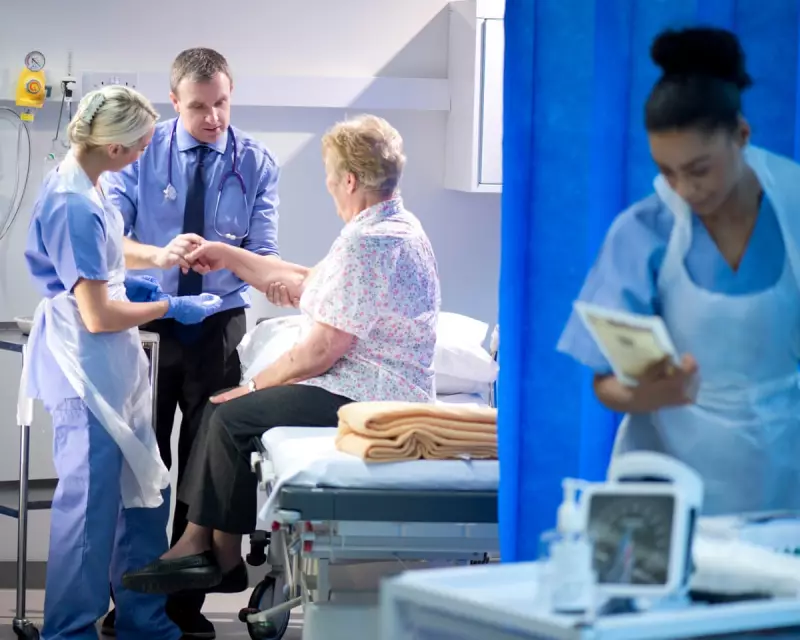
There are other healthcare systems in the world where treatment is free at the point of use. But my experience revealed something uniquely powerful about the NHS. Lying in a narrow bed for six days, I had time to observe the ward's rhythm. I saw two older women with chronic conditions, confused and sometimes uncooperative, being tended to with unwavering patience and kindness by nurses and healthcare assistants every single hour.
It is hard to explain the effect of witnessing this level not only of professionalism but of genuine love. Studies often show that those who use the NHS the most are its strongest advocates. From my bedside, I finally understood why.

The Unifying Principle of a Shared Destination
At the core of this experience was a powerful sense of shared destination. It felt like boarding an overloaded, perhaps not-so-sleek bus, but knowing everyone was on the same essential journey. In an emergency, everyone comes here—regardless of background or wealth. You don't lie there envying hypothetical private facilities, because the person in the next bed, separated only by a curtain, is in the same vulnerable boat.
This forged a common purpose. As patients, we all wanted to reach the other side. And crucially, the staff were doing their absolute damnedest to help us get there. Even in shock and pain, you felt seen and counted.
Kindness in the Cracks of a Clapped-Out System
As I recovered—fortunately avoiding major surgery—and shuffled around the dog-eared old hospital, opened by Princess Anne in the 1980s, the atmosphere of mutual support was palpable. Strangers offered help, people chatted in corridors, and three people would swivel at the sound of a dropped crutch.
Backstage, the reality was different: nurses wrestled with faulty airbeds and radiologists coaxed ageing X-ray machines. Yet this superficially clapped-out, unmanageable behemoth somehow produces staff capable of a resilience and compassion that is contagious. It’s a reminder of what it is to be human, a quality that defies abstract analysis or political argument.
I had watched Nye, the National Theatre's hit show about Aneurin Bevan, the Labour MP who fought to found the NHS in the bleak postwar years, with a sense of unease. His vision was monumental. Today, his creation is under immense strain, a constant drama of cost and crisis. Yet, having been inside it, I implore us to recognise the extraordinary, beyond-price value of what we have. It is a system where, in our often angry and atomised nation, people are somehow softer, warmer, and kinder. Where else does that happen?