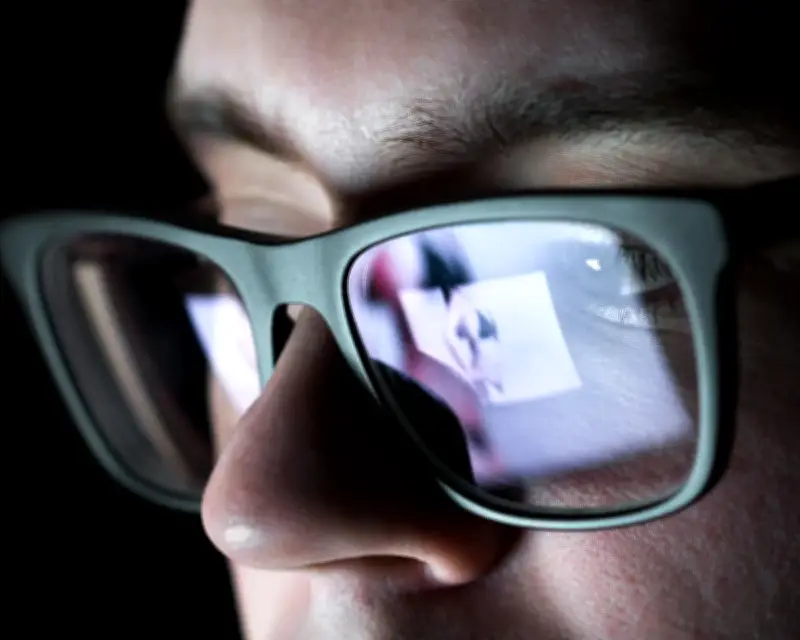
Canterbury-Bankstown, one of Sydney's largest councils, has voted to ban AI smart glasses at its local swimming pools, following similar moves by Brisbane and Yarra. The decision, made on Tuesday evening, responds to growing community concerns about the potential for the technology to be used for covert filming.
Council votes to ban 'pervert glasses'
Councillors voted overwhelmingly in favour of the ban, with Mayor Bilal El-Hayek describing the devices as “pervert glasses.” He told the meeting that women have been expressing concerns on platforms like Facebook, TikTok, and local community forums.
“Their biggest concerns are around ‘perverts and paedophiles’ secretly filming in change rooms, swimming pools and around schools,” El-Hayek said. He noted that the glasses can film, record, share footage, and even scan faces and potentially access personal information.

Brisbane and Yarra lead the way
Last month, Brisbane became the first Australian council to announce a ban on covert filming at its 21 public pools, citing child safety concerns. Yarra in inner Melbourne followed, voting to ban smart glasses from leisure facilities, childcare centres, and playgrounds, and calling for stronger federal privacy laws.
Tom Sulston, head of policy at Digital Rights Watch, praised the decisions. “It is vital that councils across Australia ensure that public spaces like swimming pools are safe for families to enjoy without the threat of unwanted video surveillance,” he said.
Randwick and other councils act
Randwick council in Sydney's eastern suburbs has also banned smart glasses at the Des Renford leisure centre, installing signage and requiring wearers to remove them or leave. The bans do not apply to people with accessibility needs, such as vision impairment.
Federal Attorney General Michelle Rowland has not ruled out a national ban but highlighted the complexity of the laws. In August, she wrote to the privacy commissioner, Carly Kind, requesting priority consideration of the issue.
The eSafety commissioner has urged smartglasses companies to automatically blur faces and make recording more obvious, noting potential accessibility benefits but also a backlash to the technology.