How Reading Erotic Fiction Is Transforming Relationships and Intimacy
In a cultural moment where romantic fantasy books—often dubbed "romantasy" or "fairy smut"—face criticism for supposedly dumbing down literature, a powerful counter-narrative is emerging. Women across the UK are speaking out about how these very books have not only empowered them but have fundamentally revitalized their intimate relationships, with some crediting the genre with saving their marriages.
The Personal Impact of Literary Arousal
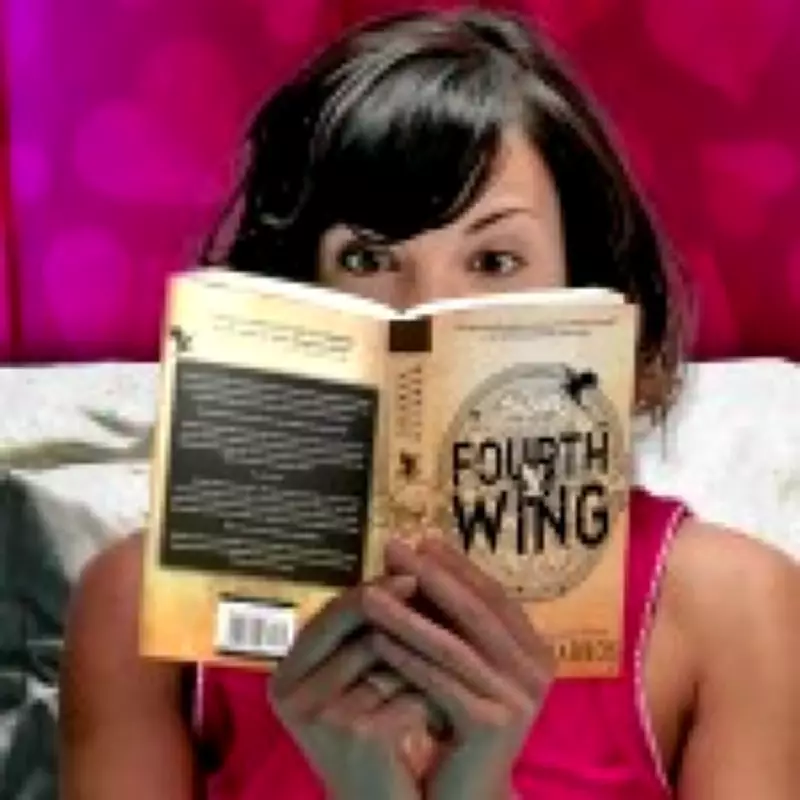
Jayne, a 34-year-old woman who shared her story on Reddit's Dead Bedrooms forum, describes a dramatic transformation. After years of struggling with low libido, she discovered Rebecca Yarros' fantasy romance novel Fourth Wing, followed by the popular ACOTAR series. "Something in me turned on," she explains. "It was like a switch. I almost believed I was asexual, and then this book appeared in my life and... WOW."
The results were immediate and profound. Where she and her husband previously had sex perhaps three times a year, they now engage intimately at least four times weekly. "Yesterday we had sex two times, and it was AWESOME," Jayne reports. "I feel like a teenager again. I want to regain all this lost time."
The Psychological Mechanism Behind the Phenomenon
Clare, a 42-year-old Londoner, has relied on erotic fiction throughout her 13-year relationship to access sexual desire. "Men are often just ready to go the moment they think about sex, and for many women, it doesn't work that way," she observes. "For me, leaving the day-to-day of this world behind and moving into a space where I can comfortably think about sexuality is difficult."
Clare, who has ADHD, finds that reading provides the necessary mental escape from constant internal chatter. "The only way for me to get in the right mindset is to have a very rich fantasy life going on in my head," she explains, noting that she enjoys everything from the website Literotica to Outlander-style historical fiction and Young Adult novels with romantic elements.
Scientific Support for Literary Intimacy
The experiences of Jayne and Clare are supported by research. A 2001 study published in The Journal of Sex Research found that women who read romance or erotic novels have 74% more sex with their partners than those who don't. More recently, a 2025 survey by Lovehoney and Cint revealed that 41% of men and 43% of women had masturbated or had sex after reading explicit content.
Sex toy manufacturer LELO discovered that nearly half of Britons (46%) have been more aroused by reading a steamy scene than by watching porn or interacting with their partner. Psychotherapist Kate Moyle, LELO's in-house sex expert, attributes this to the "focused and engaged" nature of reading, which builds anticipation—"one of our most natural aphrodisiacs."
Expert Perspectives on Couples and Communication
Bestselling romance author Tessa Bailey observes two types of couples at her book signings: those who have both read her books and appear more in sync, and those where one partner seems embarrassed. "Based on thirteen years of observation, the first couple seems more in sync with one another," she notes. "The husband has taken the time to understand why his wife is so passionate about something. That effort alone is a turn on."
Bailey advocates for couples reading spicy romance together, explaining that "it's validating for the reader and ultimately starts a conversation about what pleases them or what turns them on. The act of reading a romance novel with your partner is sexy in itself, because it brings the excitement of intimacy back into focus."
Expanding Beyond Traditional Readership
While erotic fiction has traditionally attracted more female readers, men are increasingly engaging with the genre through audio platforms like Bloom and Quinn. Paul, a 40-year-old Bloom user, listens to erotica two or three times weekly during his commute. "It's made me more aware of the whole experience of sex—it's not just about the visuals," he says. "The stories have given me more words to use in the bedroom and provided ideas and scenarios to try."
Navigating Conversations About Libido and Literature
Sex and relationships expert Annabelle Knight acknowledges that discussing changes in libido or erotic interests can be challenging. "Smutty books can serve as a bit of a sexual pick-me-up when someone's feeling disconnected from their libido," she explains. "There's nothing to be embarrassed about—it's incredibly common."
Knight recommends approaching the conversation gently, perhaps saying: "I've been feeling a bit disconnected from myself lately, and reading this helped me feel more in tune with my body again." She emphasizes that low libido often relates to mental, emotional, or hormonal factors rather than a partner's attractiveness, and that honest communication can actually strengthen relationships.
As the debate about the literary value of romantic fantasy continues, the lived experiences of readers like Jayne and Clare suggest that these books are serving a vital function beyond entertainment—they're helping people reconnect with their sexuality, communicate more openly with partners, and rediscover intimacy in long-term relationships.