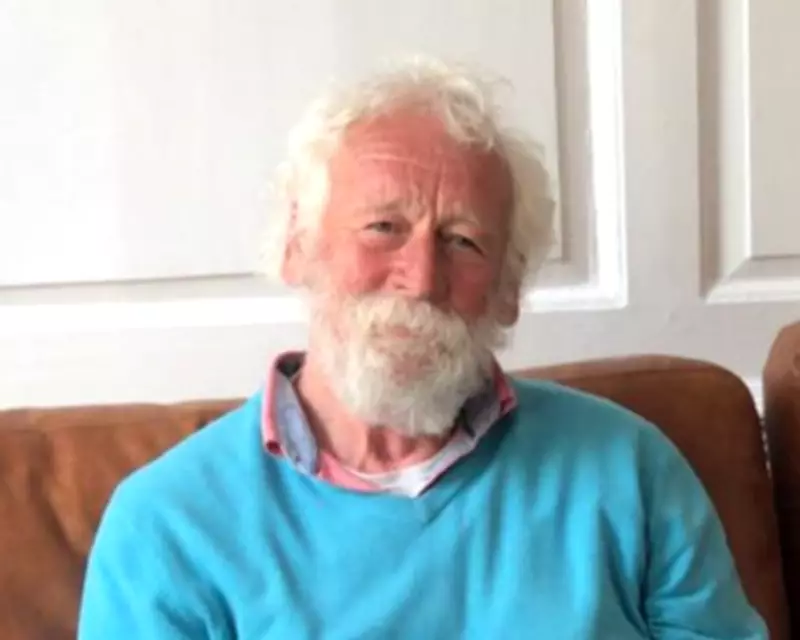
The scientific community mourns the loss of Frank Burnet, a distinguished immunologist whose pioneering research and dedicated mentorship left an indelible mark on the field. Born in 1948, Burnet's career spanned decades, during which he made significant contributions to our understanding of the immune system, particularly in the area of immune tolerance.
Early Life and Academic Journey
Frank Burnet's passion for science was evident from a young age. He pursued his education with vigor, earning degrees that laid the foundation for his future work. His academic journey was characterized by a relentless curiosity and a commitment to unraveling the complexities of immunology.
Groundbreaking Research on Immune Tolerance
Burnet is best known for his groundbreaking work on immune tolerance, a critical mechanism that prevents the immune system from attacking the body's own tissues. His research in this area provided key insights into autoimmune diseases and transplantation biology, influencing medical practices and therapeutic developments.
His studies were not only theoretical but also had practical applications, helping to advance treatments for conditions where immune tolerance is compromised. Burnet's findings have been cited extensively in scientific literature, underscoring their importance in the field.
Mentorship and Educational Impact
Beyond his research, Frank Burnet was revered as a mentor and educator. He guided numerous students and early-career scientists, fostering a new generation of immunologists. His approach to mentorship was hands-on and supportive, emphasizing both scientific rigor and ethical conduct.
Colleagues and protégés remember him for his patience, wisdom, and unwavering dedication to their growth. Many of his mentees have gone on to achieve notable successes in academia and industry, a testament to his influential guidance.
Legacy and Tributes
Frank Burnet's legacy extends beyond his scientific achievements. He was actively involved in professional societies and contributed to policy discussions on science education and research funding. His efforts helped shape the landscape of immunology and its integration into broader scientific and public health contexts.
Tributes from peers highlight his collaborative spirit and intellectual generosity. He is described as a humble yet formidable figure in science, whose work continues to inspire ongoing research in immunology and related disciplines.
Burnet's passing is a significant loss, but his contributions ensure that his impact will endure. He is survived by family, friends, and a global community of scientists who benefited from his work and mentorship.