
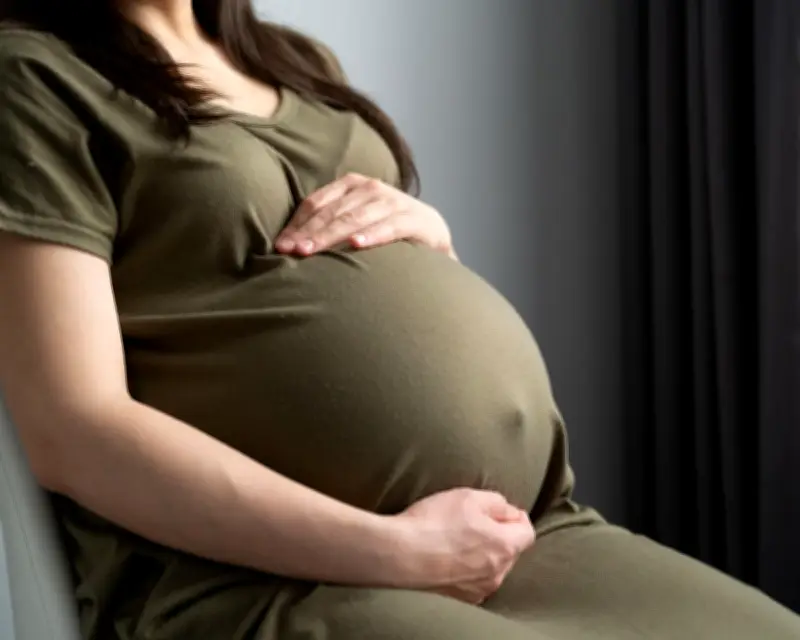
The rate of women suffering serious birth injuries in England has reached record levels, with 31.1 per 1,000 births experiencing severe perineal tears and 31.2 per 1,000 suffering postpartum haemorrhage, according to NHS figures. These are the highest rates since monitoring began in 2020.
Liberal Democrat health spokesperson calls for action
Helen Morgan, the Liberal Democrat health spokesperson, who obtained the figures from NHS England, said: “Behind these statistics are women going through unimaginable trauma, requiring surgery and in many cases months or even years of recovery. Some will never fully recover.” She described the trend as a “national crisis” and urged the government to prioritise safety in maternity services.
Government-commissioned report and potential maternity commissioner
NHS bosses and ministers are preparing for the publication on Tuesday of Lady Amos’s government-commissioned report into the state of childbirth care. There is growing speculation that Donna Ockenden, the senior midwife who published a damning report on the Nottingham maternity scandal, will be appointed as the first maternity commissioner to oversee improvements. Ockenden is already investigating scandals in Leeds and Sussex.
Department of Health and Social Care responds
A Department of Health and Social Care spokesperson said: “These are concerning findings, and as last week’s shocking report into maternity services at Nottingham university hospitals [trust] underlined, too many women are being failed by poor quality maternity care.” The department recently expanded Martha’s rule to all maternity and neonatal units in England, allowing women and parents to seek a second opinion.
Expert views on rising tears and data gaps
Dr Kim Thomas, chief executive of the Birth Trauma Association, said the recorded rise in tears is “potentially worrying” but could be due to better diagnosis. She noted that older mothers and Asian women are more prone to tears, and the NHS’s frequent use of forceps may contribute. However, she added, “I don’t necessarily think that the apparent increase is a sign of worsening maternity services, though it may be.”
Incomplete NHS data hampers improvement
The Guardian found that the NHS in England is not properly recording details of all births. Outcomes of more than 85,000 of 542,235 births in 2024-25 (14.8%) were missing from the Hospital Episodes Statistics dataset, and over 100,000 of 545,149 births in 2023-24 were also missing. Missing details include place of delivery, method, birth weight, anaesthetics, and gestation.
Clare Livingstone, head of professional policy and practice at the Royal College of Midwives, said: “Incomplete data is a fundamental barrier to improving maternity care. Without a full picture of what is happening before, during and after birth, it is much harder to identify where action is needed and these figures point to a significant gap in NHS maternity data.”




