
Coniston's GP Crisis: A Rural Village's Struggle Amid National Doctor Shortage
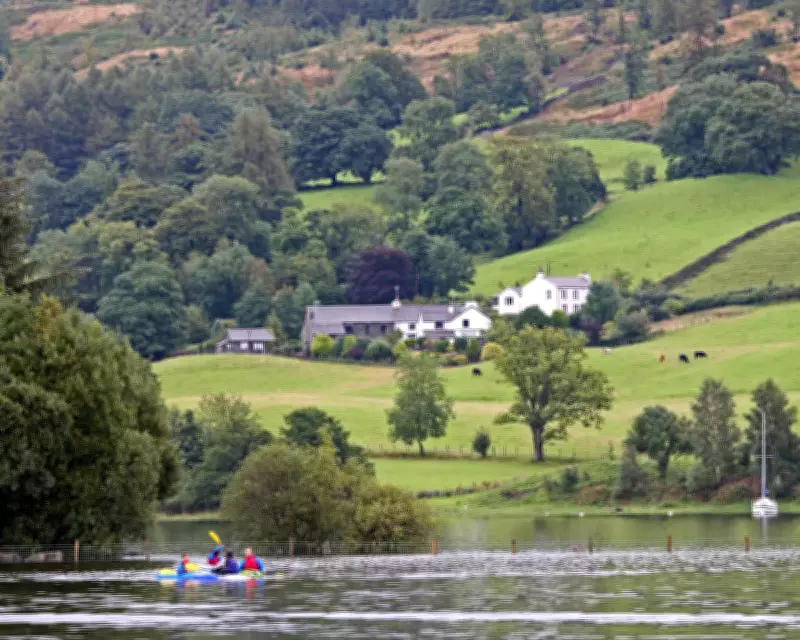
Nestled amidst the undulating hills and serene waters of the Lake District, the village of Coniston embodies rural charm with its scenic beauty and vibrant community life, including seven local pubs. However, this idyllic setting has failed to attract a single general practitioner, putting its health practice at risk after an unbroken 170-year history of having a dedicated family doctor.
A Year-Long Search Yields No Results
With a population of approximately 800 residents, Coniston launched an extensive search for a new GP nearly a year ago when its previous doctor retired. The village even produced a promotional video highlighting its attractions, such as the pubs, brewery, mountains, lake, and schools, with residents warmly stating, "We're a friendly bunch, bud." Despite these efforts, no candidates have come forward, leaving the practice in jeopardy.
Political Outcry and Community Concerns
Tim Farron, the Liberal Democrat MP for Westmorland and Furness, has voiced strong criticism, labeling the potential loss of the village GP as a "tragedy" and accusing local NHS leaders of "dragging their feet for months" despite community demands for action. Farron emphasized that small surgeries like Coniston's are essential for covering vast rural areas and serving an elderly population, warning that closure could lead to villages becoming "ghost towns."
National Context of GP Shortages
Coniston's plight reflects a broader chronic shortage of GPs across the UK, driven by years of underinvestment, an ageing population with complex health needs, and unsustainable workloads. Health leaders have raised alarms, noting that many surgeries manage around 2,200 patients each, with one in three GPs opting for private practices over NHS roles, exacerbating the primary care crisis.
Impact on Local Residents
The loss of the GP service would force Coniston's predominantly elderly and disabled patients—nearly one-third are over 65, and about one in seven have disabilities—to travel an hour by car for a round trip to the nearest full-time surgery in Ulverston. Public transport options are even more daunting, taking about two hours with a half-hour walk included. During summer, the village's population quadruples due to holidaymakers, adding pressure on healthcare resources.
Community Resilience and NHS Response
The Coniston patient group, which has campaigned for over a decade to keep the surgery open, asserts they will not accept the loss without a "renewed and determined effort" to find a provider, citing overwhelming local support and clear clinical need. The NHS Lancashire and South Cumbria integrated care board has stated that an interim GP will run the surgery while seeking a permanent solution, though a six-week tender process failed to attract any bids.
This situation underscores the urgent need for systemic changes to support rural healthcare, as communities like Coniston face the real threat of losing vital services that have been integral for generations.




