In 1860, a correspondent for the Birmingham Daily Post drew a sharp comparison between labourers who took Mondays off and members of Parliament who did not begin their work in the Commons until Thursdays. The observation, highlighted in a letter responding to Jess Cartner-Morley's article on the changing nature of the weekend (16 August), noted that despite taking Saint Monday as a day of rest, workers still managed to achieve their targets.
Saint Monday and 19th-Century Work Culture
During the 19th century, Saint Monday was a prominent feature of working-class life, particularly among railway excursion workers. The practice, which involved taking Monday as an unofficial holiday, drew numerous complaints from employers and moral reformers. However, the Birmingham Daily Post correspondent offered a defence, arguing that the workers' productivity remained unaffected by their extended weekends.
Dr Susan Major of York highlighted this historical parallel in a letter to the Guardian, suggesting that the criticism of workers' leisure habits was hypocritical given the leisurely schedules of MPs. The comparison underscores longstanding debates about work ethic and productivity that continue to resonate in modern discussions about work-life balance.
Royal Security and Family Dynamics
The letter also touched on contemporary issues, including the question of who will fund security for Prince Harry and Meghan, the Duchess of Sussex, during their visits to the UK. Andrew Platman of Beckenham, London, quipped that Nigel Farage might contribute to the costs. Keith Flett of Tottenham, London, noted an overlooked consequence of the Sussexes' return: the potential resumption of Prince Harry's 'beard war' with Prince William, which could result in a royal close shave.
John Lancaster of Peterborough observed that the return of both the Premier League and Harry and Meghan has elicited a collective sigh from the newspaper industry, eager for fresh stories.
Political Nicknames and Public Discourse
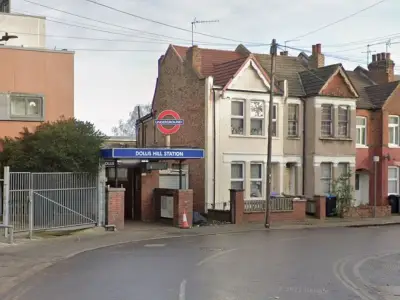
In a separate letter, Pam Lunn of Kenilworth, Warwickshire, recalled that Margaret Thatcher was once labelled 'Lady Dagenham'—a reference to being three stops beyond Barking, a playful jab at her political positioning. This historical nickname adds a layer of political satire to the broader discussion of public figures and their perceptions.
The letters collectively reflect on how historical practices and contemporary events shape public discourse on work, security, and family, offering readers a mix of wit and insight.