Aged Care Algorithm Cuts Funding, Threatens Independence of Elderly Australians
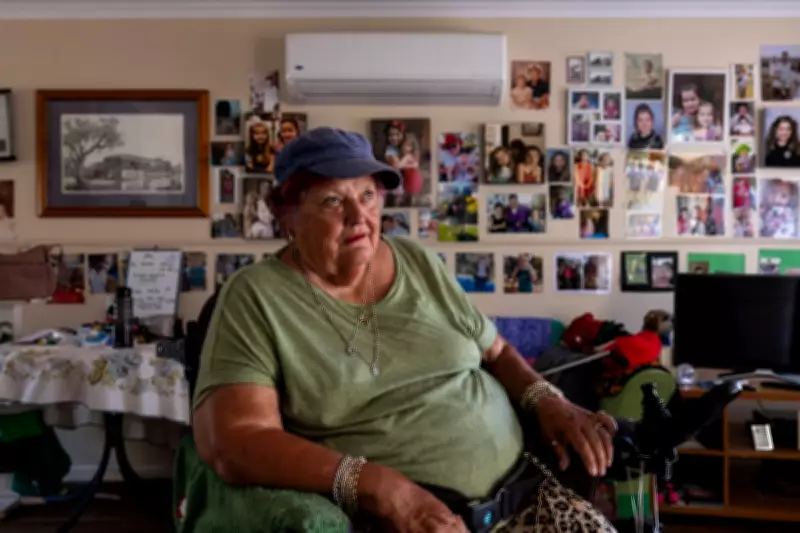
Jean Mathew, a 78-year-old resident of Gilles Plains in Adelaide, cherishes her home and the memories it holds, particularly the cream rose bush her late husband planted over 25 years ago. Despite living alone with cerebral palsy and using a powered wheelchair, she maintains a high level of independence, attending church weekly and managing her own washing and cooking with minimal assistance. However, her ability to stay in her beloved home is now under threat due to a controversial government assessment tool.
Algorithm-Based Assessment Sparks Outrage
Mathew recently underwent an evaluation using the federal government's integrated assessment tool (IAT), an algorithm-driven computer model designed to determine funding levels for aged care support. Shockingly, the tool classified her as needing less funding than she currently receives, assigning her to category 7, which amounts to $58,000 annually. This is a drastic reduction from the $163,000 she previously received under the Disability Support for Older Australians scheme and even less than the $63,000 provided by her current aged care package.
Peter Schulz, a friend from Mathew's church, expressed frustration, noting that everyone involved expected her funding to increase. "She currently has to wait all day to go to the toilet, only receiving a support worker for one hour in the morning and one in the evening," he said. Schulz added that clinical assessors were equally dismayed by the algorithm's decision, which they cannot override, describing it as "outrageous."
Broader Implications for Aged Care System
Mathew's case is not isolated. Guardian Australia has uncovered numerous instances where older Australians are assigned lower support levels under the IAT than clinicians deem safe or appropriate. The Greens senator Penny Allman-Payne has received complaints from constituents and aged care providers, warning that the system is "opaque" and systematically under-assessing needs. She stated, "Rolling out an automated tool to determine support needs for older people – many of whom have deteriorating conditions – was always going to be a recipe for disaster."
Independent MP Monique Ryan has dubbed the IAT "robo aged care," highlighting that even assessors feel powerless to correct errors. Adrian Morgan, general manager of Flexi Care in Brisbane, reported that 37% of funding upgrade requests have been rejected since the tool's implementation in November, compared to none previously. Those affected, aged 71 to 84 with multiple medical conditions, are left stressed and confused, with appeals taking up to 90 days for a response.
Personal Toll and Calls for Change
For Mathew, the potential loss of funding could force her into an aged care home, a move she fears would be devastating. "I love my little place, and I don't want to go. I won't be able to take my roses with me," she lamented, reflecting on her parents' encouragement to remain independent. With 414 formal review requests filed between November and January, the department faces mounting pressure to address the algorithm's flaws and ensure fair support for vulnerable Australians.