
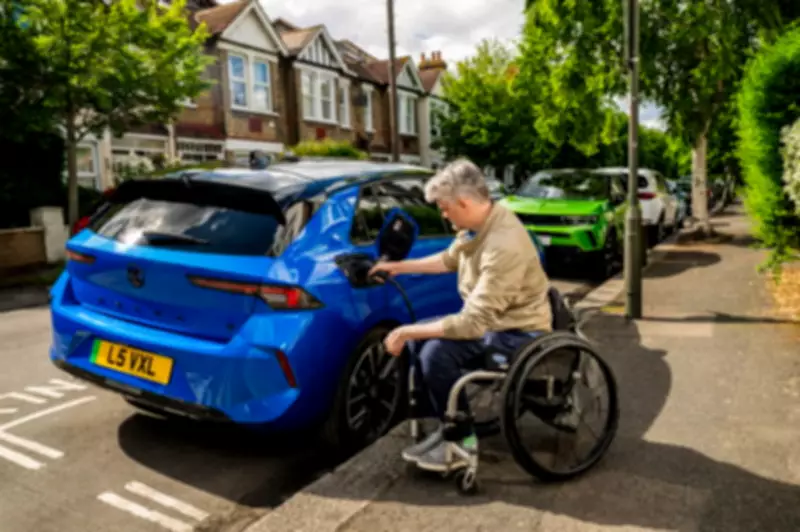
Mobility in Motion, a leading UK specialist in vehicle adaptations and accessible mobility solutions, has announced a significant partnership with three major car manufacturers for its new Adapt & Drive car purchase scheme. The company will collaborate with Kia, Nissan, and Vauxhall to launch this initiative, which aims to make adapted vehicle ownership more straightforward and inclusive for disabled drivers and individuals with limited mobility across the United Kingdom.
Launch Details and Industry Collaboration
The Adapt & Drive scheme is set to launch from Monday 2nd February, initially available through selected car dealers nationwide. This partnership brings together a diverse range of vehicles from trusted manufacturers, combined with Mobility in Motion's specialist adaptation expertise, creating a comprehensive solution for accessible motoring.
Matt Fieldhouse, group managing director at Mobility in Motion, expressed pride in the collaboration, stating: "We're proud to be partnering with Kia, Nissan and Vauxhall on the Adapt & Drive car purchase scheme. This collaboration brings together trusted manufacturers, a wide choice of vehicles, and our specialist adaptation expertise to make accessible motoring simpler and more inclusive. It also reinforces our commitment to helping people drive away with confidence, independence and the right solution for their needs."
Eurig Druce, Vauxhall managing director & Stellantis UK Group managing director, emphasised the importance of this initiative: "At Vauxhall, the importance of accessibility and mobility for all is at the heart of everything we do. We are committed to ensuring that all drivers, especially those with disabilities, have seamless and affordable access to vehicles that can adapt to meet their needs. We are proud to be supporting Mobility in Motion and its Adapt & Drive initiative; this new approach to adapted vehicle ownership will provide greater ease, independence and freedom for those who require it most."
Survey Reveals Frustrations with Current Options
The announcement follows a comprehensive nationwide customer insight survey conducted by Mobility in Motion, which gathered responses from over 300 individuals. The survey revealed that people who rely on adapted vehicles are increasingly frustrated by the limited options available for owning vehicles that meet their specific needs.
Key findings from the research include:
- While many disabled drivers, passengers, and people with limited mobility rely on established schemes to access vehicles, a significant number cannot utilise these options and feel they have little choice when it comes to owning an adapted new car.
- Approximately 83% of respondents reported needing vehicle adaptations, either for themselves or someone they support, with many requiring multiple adaptations including hand controls, steering aids, boot hoists, and specialised seating.
- Adaptations were consistently described as essential to daily life rather than optional extras, with particular emphasis placed on affordability and flexibility.
- Respondents highlighted concerns around the complexity of adaptations, navigating different providers, and the lack of a single company to support them through the entire process.
Respondent Voices Highlight Real-World Challenges
The survey gave disabled drivers, passengers, and people with limited mobility a stronger voice in shaping the future of accessible car ownership. One respondent explained: "Monthly affordability and customisation of adaptations are essential. Everyone's needs are different." Another added: "I would be interested in buying a car, but only if the process actually reflects how disabled people live."
Matt Fieldhouse commented on the research methodology: "We conducted this survey because too often decisions about mobility are made without fully understanding the lived experience of disabled people and those with limited mobility. We wanted to listen properly before designing anything new. Having launched Mobility in Motion three years ago, we understand there is a large section of the community who are not able to make use of existing great schemes, like the Motability Scheme, and that's where we can really help."
A Market Ready for Simplified Solutions
The research indicates that people with mobility needs are not simply looking for cheaper options, but for simpler and more flexible solutions available to all. Respondents consistently highlighted the challenges of navigating a fragmented process, with the perceived complexity of understanding and arranging vehicle adaptations emerging as significant barriers.
Fieldhouse noted the consistency of the feedback: "What really stood out to me was how many people shared the same frustrations, around the complexity of adaptations for their existing car, having to navigate different providers and there not being one company available to support them through the vehicle purchase and adaptation journey. This is not about people wanting something extra. It is about wanting solutions that work in real life and gives people options."
He added that these insights are directly shaping the company's plans for Adapt & Drive: "These insights are directly shaping our plans for Adapt & Drive. They confirm there is a real need for an adapted car purchase scheme that is simple, flexible, built around people's needs, and available to all, ultimately giving people greater independence."
Addressing the Complexity of Adapted Vehicle Ownership
Buying a car can be complicated under normal circumstances, but for people who need adaptations, that complexity is often multiplied by having to manage multiple providers, processes, and timelines. The survey findings reflect the everyday reality for people with mobility needs, highlighting the importance of a simpler, more joined-up approach that removes unnecessary stress from what is already a significant decision.
Fieldhouse concluded: "This research confirms what we have long suspected. The market is ready for change, and Adapt & Drive is our response." The scheme represents a significant step forward in making adapted vehicle ownership more accessible and less daunting for those who need it most, addressing both the practical and emotional challenges identified in the comprehensive survey.




