
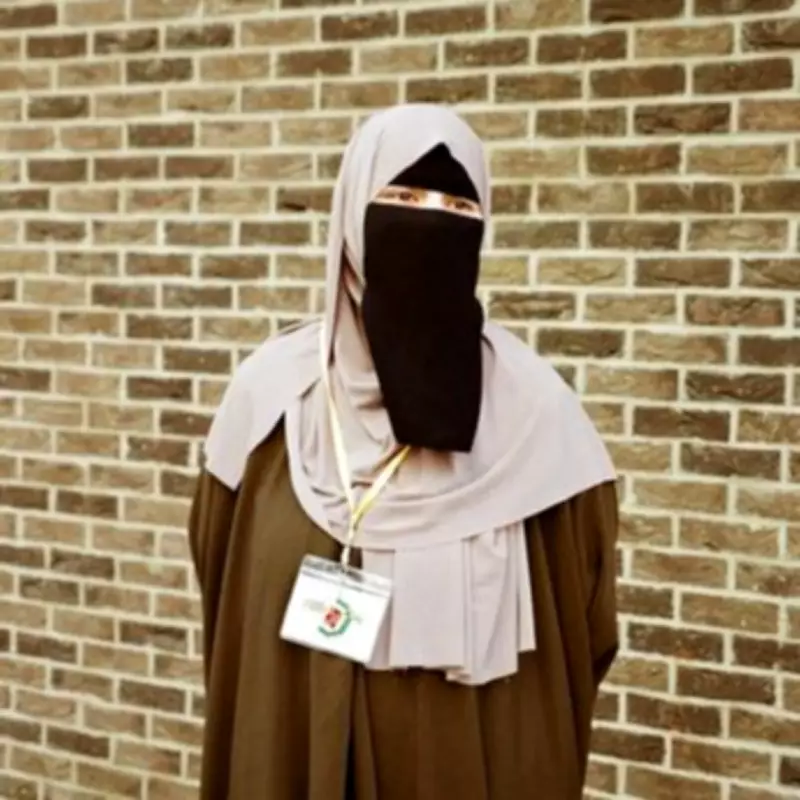
London Mother's Ramadan Mission: 600 Gift Bags for Hospitalized Children
For fourteen hours each day, seven-year-old Hudhayfah is connected to medical equipment—a dialysis machine, feeding tube, or blood pressure monitor. His mother, Halima Kassam, navigates a demanding routine of syringes and sterile supplies while managing his complex care. Yet during the holy month of Ramadan, this dedicated London mum is also spearheading an ambitious project to assemble and distribute six hundred Eid gift bags for children in hospital, ensuring no family feels the profound isolation she once experienced.
A Life-Changing Transplant and a Mother's Resolve
On February 17, Hudhayfah is scheduled to receive a kidney transplant from his aunt, a procedure that could liberate him from daily dialysis, over thirteen medications, and weekly injections. "He is machine-fed to stay alive," Halima revealed. "But after this transplant, he should regain his appetite, and we can finally share family meals together."
Born prematurely in 2018, Hudhayfah has autosomal recessive polycystic kidney disease (ARPKD), a rare condition affecting kidney and liver development, occurring in approximately one in twenty thousand births. Both Halima and her husband are carriers, presenting a twenty-five percent risk with each pregnancy. Their second child does not have the condition, but Halima was unable to donate a kidney due to that pregnancy.
Most medical professionals are unfamiliar with ARPKD, often requiring Halima to explain her son's condition. Hudhayfah, smaller than average for his age, endures a regimen of dialysis and constant monitoring of blood pressure, weight, and temperature. He eats orally only once daily around 6 PM. "In a whole twenty-four-hour period, he's hooked up to something fourteen hours out of twenty-four," Halima stated.
From Personal Struggle to Charitable Initiative
Having grown up with disabled parents, Halima understands caregiving from both perspectives. She now serves as a full-time carer, nurse, and teacher for her homeschooled son. The isolation has been particularly challenging, compounded by a perceived lack of open discussion about disability within the Muslim community. One mother confided she had contemplated suicide due to the loneliness of caring for a disabled child.
"I would like conversations within the Muslim community to change," Halima expressed. "I feel like the topic of disability itself is not really talked about." Even simple outings demand extensive planning, packing emergency dialysis kits, medications, syringes, feeding machines, and spare clothes. Travel is difficult as Hudhayfah cannot walk long distances, and they must avoid contact with anyone unwell. "Sometimes by the time I've done all that, I don't feel like going anymore," she admitted. "But I still push myself to."
A turning point came during Hudhayfah's first Eid in hospital, which Halima recalls as "gloomy and glum." The following year, celebrating at home, she showered him with gifts but felt overwhelming guilt thinking of families still on the ward. This inspired her to collaborate with a friend—whose son had died from cancer at Great Ormond Street Hospital—to organize gift bags for children spending Eid in hospital.
The Birth and Growth of Helping Little Muslims
Initially, they delivered thirty-five gift bags to the cancer ward where her friend's son was treated. In 2020, Halima posted on social media about repeating the effort, leading to the founding of the Helping Little Muslims charity. The initiative rapidly expanded from thirty-five bags to three hundred and fifty the next year, raising nearly nine thousand pounds.
Now, during Ramadan, Halima coordinates four hundred and fifty gift bags—matching the hospital's bed capacity—so every inpatient receives one. An additional one hundred to one hundred and fifty bags are prepared for outpatients visiting for clinic appointments or check-ups on Eid. Each child also receives a foil helium balloon.
"This means every single bed, Muslim and non-Muslim, will get a gift," Halima explained. "And for outpatients too. We give the staff sweets, and in the gift bags, there will be things for the parents like essentials."
Combating Isolation Through Community Engagement
For Halima, the project is about alleviating isolation for both children and caregivers. A highlight is the Eid card campaign, where children across the UK create handmade cards for young patients. Scout groups, schools, and mosques participate, fostering conversations about illness. She also provides staff with personalized cards and, last year, distributed prayer mats during Ramadan for Great Ormond Street Hospital's Ramadan Day.
Looking forward, Halima aims to introduce Suhoor packs during Ramadan, offering food for fasting parents before dawn, especially when hospital canteens are closed. Despite raising significant funds, she emphasizes that donations alone are not her goal. "I would prefer if people went into their local communities and said, let's do something like a bake sale or a craft workshop," she insisted. "I want you to give me your time and understanding."
Above all, Halima advocates for open dialogue about disability and practical support for affected families. "I don't want people's pity," she declared. "I want support." Throughout her efforts, she beams with pride when discussing Hudhayfah, describing him as "intelligent, a right character, very sarcastic, but lights up any room that he is in."




