The crisis in NHS dentistry has reached a critical point, with patients waiting up to a decade for check-ups and some turning to dangerous DIY surgery due to lack of access to care. Experts are sounding alarms that this situation threatens the very existence of NHS dentistry, calling for immediate and fundamental reforms.
Charity Steps In as NHS Fails
In a stark indicator of the severity of the crisis, the charity Dentaid, which typically operates clinics in poorer countries, is now dedicating significant resources to the UK. Millions of people are struggling to access dental services, with severe regional disparities leaving those in deprived areas worst affected. The British Dental Association has emphasized that without urgent changes, the future of NHS dentistry is at risk.
Personal Stories of Desperation
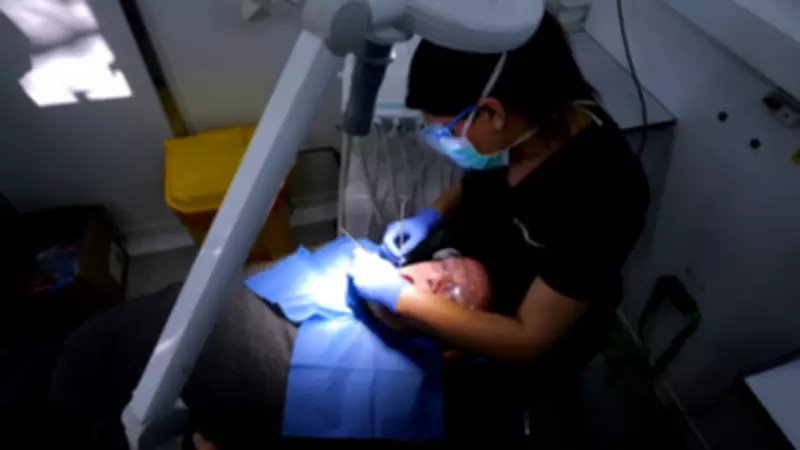
In Dewsbury, West Yorkshire, Dentaid has partnered with a local support group to offer free dental care to those unable to see NHS dentists. Demand is overwhelming, with volunteers reporting waits of four to five years for appointments. Carl Parkin, one patient, shared his harrowing experience: his toothache became so unbearable that he attempted DIY dentistry using a ring pull from a soda can. "It only made things worse," he admitted, ultimately requiring emergency dental treatment.

Another patient, Roy Wake, who is recovering from addiction, had not seen a dentist in eight years. He described having "no real chewing teeth left," which has severely impacted his self-esteem and daily life. Volunteer dentist Dr. Priya Sharry-Khan highlighted the shortage of dentists, noting that clinics are perpetually busy and that increased access could prevent many of the severe problems patients face.
National Impact and Calls for Action
Recent analysis reveals that 13 million people in England alone cannot access an NHS dentist. Children in northern regions suffer from poorer oral health, and those from the most deprived communities are twice as likely to have tooth decay compared to their affluent peers. British Dental Association chairman Eddie Crouch warned, "Whether NHS dentistry even has a future will depend on the choices made in the next few years." He cited underfunding and failed contracts as key drivers of the crisis, stressing that survival hinges on fundamental reform backed by real investment.
Government Response and Future Outlook
A Department of Health and Social Care spokesperson stated that efforts are underway to roll out extra urgent dental appointments and reform the dental contract to prioritize patients with the greatest need. However, with demand soaring and resources stretched thin, the path forward remains uncertain. As the crisis deepens, the need for comprehensive solutions has never been more urgent to ensure that NHS dentistry can continue to serve the public effectively.