For women already experiencing sleep disruption because of perimenopause, alcohol can make an already challenging situation significantly worse, according to Diane Young, a trauma specialist and psychotherapist with South Pacific Private.
Annie's Story: When Wine Becomes a Problem
Annie, a 43-year-old hospitality HR manager and mother of three, initially attributed her 3am wake-ups, brain fog, and mood swings to perimenopause. She was partly right, but alcohol was playing a larger role than she realized. Over six months, she struggled with headaches, hot flushes, and anxiety, feeling like her world was imploding.
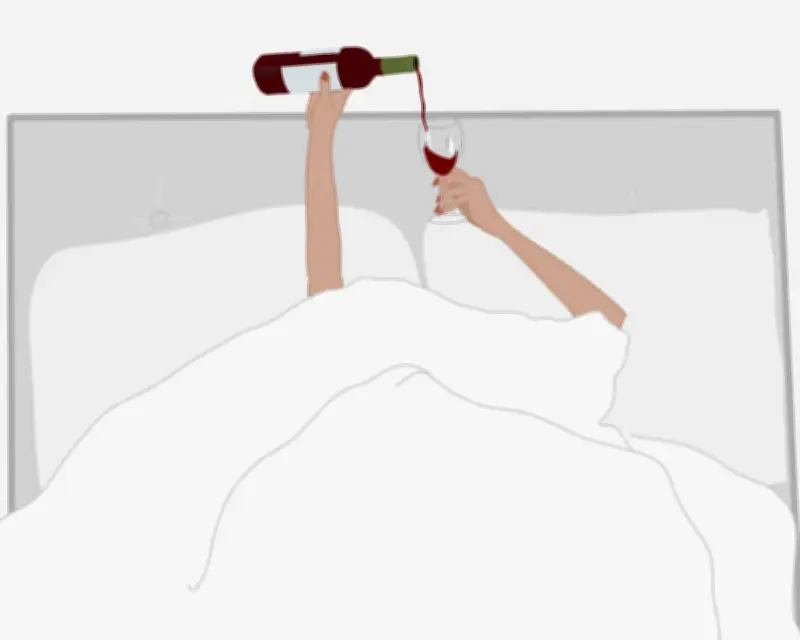
Following a friend's advice to unwind with a bath and a glass of wine, Annie began drinking nightly. The habit quickly escalated from one glass to two or three, becoming a ritual to quiet racing thoughts and ease into sleep. However, while alcohol can induce sleepiness, it often disrupts sleep later in the night, leading to poorer sleep quality and increased fatigue the next day.
The Overlap Between Perimenopause and Alcohol Effects
Annie's experience reflects a common challenge: the symptoms of perimenopause—such as memory lapses, poor concentration, anxiety, and brain fog—overlap significantly with the effects of alcohol. Hormonal fluctuations during perimenopause can affect the brain, and alcohol can exacerbate these issues, creating a vicious cycle.
According to Young, many women in midlife face peak career pressures, family responsibilities, and relationship stress, which can amplify mood changes and sleep disruption. For some, perimenopause marks the first time they experience significant anxiety symptoms, including difficulty making decisions, increased crying, irritability, and feelings of guilt or shame.
Seeking Help and Recovery
Annie only sought help after sleeping through her alarm and feeling too sleepy to drive to work. Her doctor recommended a residential treatment program after an online alcohol addiction self-assessment. The program, which included individual therapy, group counseling, and a mental health assessment, helped Annie see that what started as a coping mechanism had become a cycle worsening her sleep, anxiety, cognitive function, and emotional well-being.
Treatment focused on both her alcohol use and the underlying anxiety. Annie learned meditation, yoga, pilates, and beach walks as healthier alternatives. Today, she sleeps more consistently, her anxiety has eased, and she feels clearer and more energetic. While she still experiences occasional hot flushes and brain fog, they are no longer relentless.
Key Takeaways for Women in Perimenopause
Young emphasizes that perimenopause is often only part of the story. Women may be treating symptoms that alcohol is quietly making worse. It is essential for women to seek professional help to explore the best treatment options for their needs. Personalized anxiety treatment should consider specific symptoms and life circumstances, including medical support, psychological therapy, and lifestyle changes.
As Annie's story shows, recognizing the role of alcohol in perimenopause symptoms can be transformative. If you or someone you know is experiencing similar issues, professional guidance can help break the cycle and improve overall well-being.