When Guy's Hospital contacted Sophie Collis requesting her attendance, she instinctively understood the gravity of the situation. Receiving a cancer diagnosis at just 31 years old delivered a profound shock, yet she could never have anticipated that exploring her ancestry through a simple saliva test would ultimately guide her to this critical juncture.
The unexpected genetic discovery
Sophie possesses Jewish ancestry through her maternal line, though her family doesn't actively practice Judaism or attend synagogue. In February 2024, when the NHS Jewish BRCA programme launched offering complimentary genetic testing to anyone with Jewish grandparents, her brother – a medical professional – shared the initiative within their family WhatsApp group.
BRCA1 and BRCA2 genes typically function to repair DNA damage that could otherwise lead to cancerous developments. However, when mutations or faults occur within these genes, their protective capabilities diminish significantly. While approximately 1 in 200 people in the general population carry BRCA gene faults, this risk escalates dramatically to 1 in 40 among those with Jewish ancestry. Within the Jewish community, these genetic faults connect to up to 40% of ovarian cancer cases and 10% of breast cancer diagnoses.
Sophie felt no particular concern about potentially carrying a BRCA gene fault herself, but curiosity prompted her to request a testing kit. The straightforward process required merely providing a saliva sample in a tube and returning it by post. She gave the matter little further thought until a letter arrived in September 2024 that would irrevocably alter her life's trajectory.
From curiosity to confrontation
Opening that correspondence revealed the startling news: Sophie tested positive for a BRCA1 gene fault. This result bewildered her, as she associated such genetic markers with families possessing extensive histories of breast or ovarian cancer. Her own family history appeared relatively clear – her mother was undergoing lung cancer treatment at the time, but breast and ovarian cancers remained notably absent among relatives, with all grandparents having lived into their nineties.
Within a week, Sophie consulted with a genetic counsellor who meticulously explained her available options. They enrolled her in an annual breast screening programme and detailed specific symptoms requiring vigilance: unusual lumps in breast tissue or armpits, abdominal changes, or alterations in urinary frequency. Given her age and family history, the counsellor advised against immediate preventative mastectomy while reassuring her this remained a future consideration.
The life-saving detection
This new awareness prompted Sophie to begin regular breast examinations – a practice she hadn't previously maintained. During a routine shower check one morning, she discovered a concerning lump. Several weeks later, after consulting her GP who referred her for biopsy, she remained convinced the finding would prove insignificant.
Yet just two months after receiving her genetic results and six weeks following the lump's discovery, Sophie received confirmation of grade 3 triple negative breast cancer – an aggressive form fortunately detected at an early stage. Remarkably, she experienced a sense of calm preparedness, understanding that early detection proved crucial and that multiple treatment pathways existed.
Family challenges and treatment journey
Her greatest anxiety centered on informing her family, particularly as her mother already endured cancer treatment with difficult side effects. The situation intensified when, less than two weeks later, her father received an unexpected terminal bile duct cancer diagnosis following routine blood tests. Suddenly, Sophie's brother stood as the only immediate family member without a cancer diagnosis, creating an emotionally gruelling period for all.
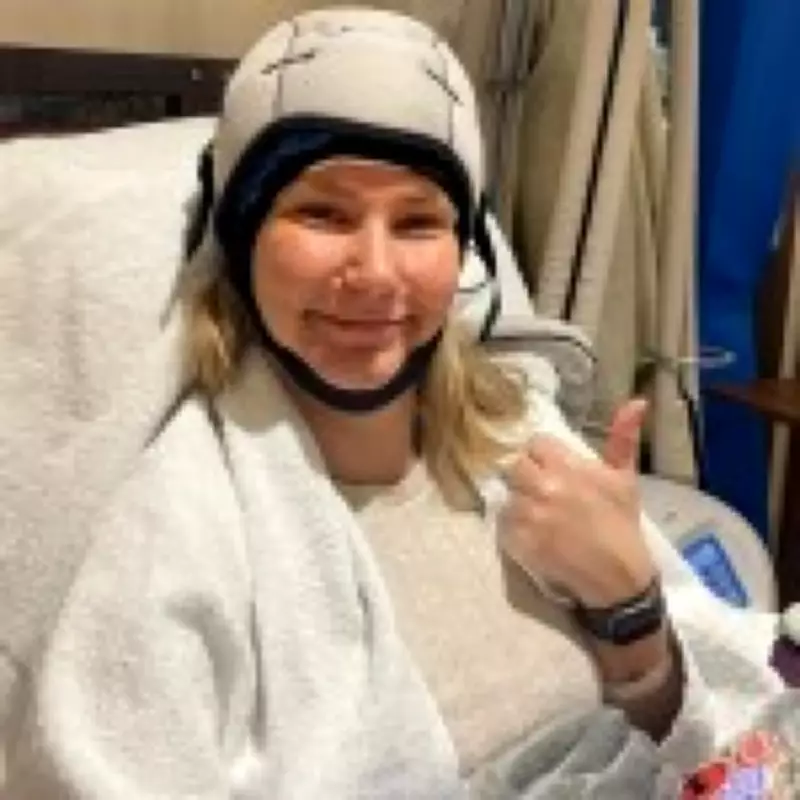
Sophie's treatment regimen spanned seven months of chemotherapy, a year of immunotherapy, and ultimately a double mastectomy. She and her father coincidentally began chemotherapy simultaneously just before Christmas 2024, creating weeks where family medical appointments dominated their schedule – her treatment on Mondays, her father's on Tuesdays, and her mother's on Wednesdays.
The mastectomy presented particularly complex emotions – while Sophie recognized its importance in reducing cancer recurrence risk, she apprehensively contemplated post-surgical appearance and future dating prospects as a single woman. Chemotherapy's visible effects, including complete hair, eyebrow and eyelash loss, made her feel unmistakably like a cancer patient and complicated workplace visits.
Recovery and reflection
Ultimately, surgical outcomes exceeded expectations – on ordinary days, no observer would detect her procedure, and she has comfortably worn bikinis during holidays since recovery. Her July 2025 post-surgical check-up delivered the welcome news of no remaining disease evidence, making the challenging treatments feel worthwhile and enabling celebration with her support network.
Tragically, the family's medical journey continued as they lost Sophie's mother to lung cancer in December 2025 while her father undergoes final palliative chemotherapy cycles. This creates poignant complexity – celebrating personal recovery while grieving a mother and witnessing a father's struggle.
The vital importance of genetic awareness
Sophie credits the free NHS BRCA testing programme with saving her life. As someone who rarely visited GPs previously, she doubts she would have discovered the breast lump without her BRCA1 status awareness. This knowledge prompted several cousins to undergo testing, revealing eight family members carrying the gene fault.
Organizations like Ovarian Cancer Action actively promote BRCA fault awareness, noting how many ovarian cancer cases might be prevented through knowledge, preventative surgery and screening. They fund pioneering research including OvarianVax – a potential future vaccine against ovarian cancer.
Sophie now passionately advocates for genetic testing among those with Jewish ancestry, even without family cancer histories. While registrations for the specific programme she used have closed, GPs can refer eligible individuals to genetic specialists, and private testing remains available.
Her experience powerfully demonstrates that genetic knowledge extends beyond personal benefit – her BRCA test facilitated early cancer detection and now helps protect her entire family network, transforming curiosity about heritage into potentially life-preserving action.