An Israeli court has delivered a devastating blow to a five-year-old Palestinian boy battling an aggressive form of cancer, rejecting an appeal that sought permission for him to enter Israel for life-saving medical treatment. The ruling, issued by the Jerusalem district court on Sunday, cites a stringent government policy that prohibits residents registered in Gaza from crossing the border, even when they no longer reside in the territory.
Court Upholds Sweeping Ban Despite Medical Urgency
The petition aimed to transfer the child from Ramallah in the Israeli-occupied West Bank to Tel Hashomer hospital near Tel Aviv for a critical bone marrow transplant. This procedure is unavailable in either Gaza or the West Bank, leaving the boy with limited options. His doctors have determined that he urgently requires antibody immunotherapy to combat his condition.
The boy has been in the West Bank since 2022, where he has been receiving medical care that is not accessible in the Gaza Strip. Despite his physical presence outside Gaza, his official registration as a resident there has become a fatal bureaucratic barrier. In his judgment, Israeli judge Ram Winograd characterised the petition as an indirect challenge to the security establishment's post-7 October restrictions, which have prevented Gaza residents from entering Israel for medical treatment.
Mother's Heartbreaking Response to the Ruling
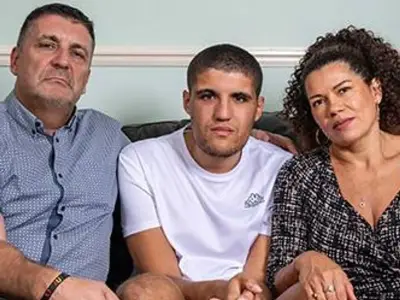
"I have lost my last hope," the child's mother told Haaretz, describing the court's decision as a death sentence for her son. She revealed the additional tragedy that the boy's father died of cancer three years ago, compounding the family's anguish. "I wish I had the power to ease his suffering," she added, echoing the sentiments of many families trapped by the conflict.
Judge Winograd acknowledged that thousands of children in Gaza are in urgent need of care but argued there was no meaningful distinction between the boy's case and those of other patients barred by the policy. "The petitioners failed to demonstrate a real and relevant difference," Winograd wrote, noting that the child's presence in Ramallah did not, in his view, justify an exemption from the blanket ban.
Human Rights Organisations Condemn the Decision
Gisha, an Israeli human rights organisation, has been engaged in legal proceedings regarding the boy's case since November 2025. They argue that the child's situation exposes the cruelty of a rigid bureaucratic system that prioritises registry data over medical urgency.
"This case once again illustrates the devastating consequences of a sweeping policy that denies Palestinians access to life-saving medical care solely on the basis of their registered address in Gaza, even when they are not residing there and no security allegations are raised against them," Gisha said in a statement. "The significance of this ruling is that the court is providing backing for an unlawful policy that effectively condemns children to death, even when life-saving treatment is in reach."
Broader Impact on Palestinian Healthcare
The decision reflects Israel's sweeping ban on the entry of people living in Gaza after the Hamas attacks of 7 October 2023. This policy includes cancer patients who, before the war, had routinely been granted access to life-saving treatment in Jerusalem. According to health officials in Gaza, there are about 4,000 people with official referrals for treatment to third countries who are unable to cross the border.
The World Health Organization reports that 900 people, including children and cancer patients, have already died while waiting for evacuation. Doctors say cancer-related deaths have tripled in the territory since the war began, as Israel continues to hinder patients from leaving and restricts the entry of chemotherapy drugs.
Statistics Highlight the Growing Crisis
About 11,000 Palestinian cancer patients are still trapped in Gaza despite the reopening of the Rafah crossing last week. While some patients have managed to leave, they are far outnumbered by those deemed in medical need who have not. The ongoing restrictions have created a healthcare catastrophe, with vulnerable individuals paying the highest price.
The case of this five-year-old boy underscores a broader humanitarian issue, where legal and bureaucratic barriers are preventing access to essential medical services. As the conflict continues, the plight of Palestinian patients remains a critical concern for international observers and human rights advocates.