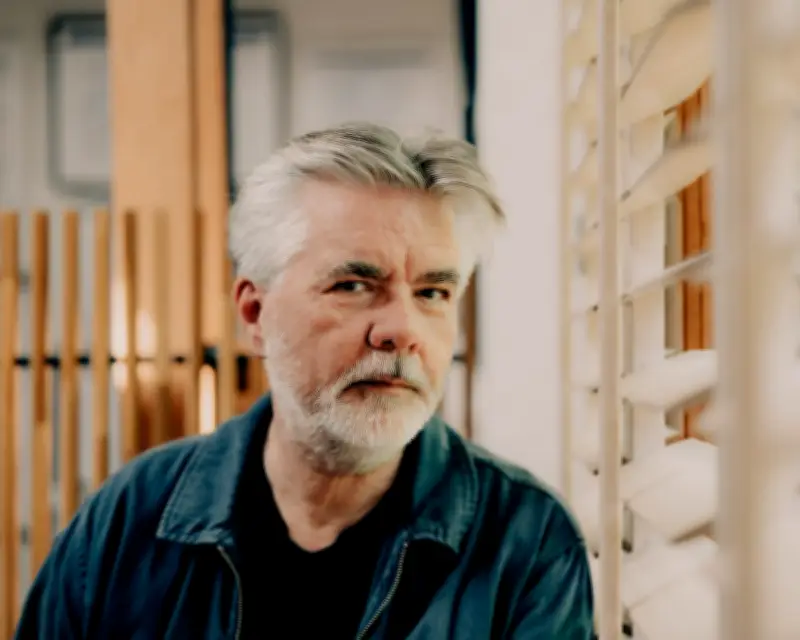
Mike Bell was 53 when he received a life-changing diagnosis of Parkinson's disease, but at 61, he learned it was wrong. After seeing a new consultant and undergoing extensive brain scans, Bell was "de-diagnosed." Despite still experiencing pains, tingling, tremors, and skin problems, he had stopped taking prescribed medication without symptom worsening.
Loss of roadmap and community
Bell described feeling as though he had "lost his roadmap" upon learning he did not have Parkinson's. He also lost his sense of community with others affected by the illness and his work campaigning for better understanding of the condition. "In that moment, I felt like an impostor," he said.
Bell had been a freelance show designer for corporate clients, working long hours from his shed. He recalled the loneliness of remote work. After diagnosis, he developed a "Parkinson's filter" of activities to stay healthy, including writing a poem a day, authoring a children's novel, and creating detailed "tube map" charts of musicians' careers.
Campaigning and community involvement
Bell joined the Parkinson's community, attended the World Parkinson Congress in Spain, and fundraised through sponsored walks and a parachute jump. His second marriage ended, and freelance work dwindled, but he persisted. After de-diagnosis last June, his poetry stopped, and his campaigning felt fraudulent.
His medical team suggested other diagnoses such as fibromyalgia or chronic fatigue syndrome, but Bell still does not know what illness he has. "I lost the thing that was driving me to do things and to engage," he said.
A new career and path forward
A year on, Bell has experienced an accidental reset. He has made lifestyle changes, including drinking less, eating better, and fasting from 5:30 pm. He has met someone new and fallen in love. At 62, he is starting a new career selling band merchandise—specifically, his foldout tube maps of musicians' careers.
This year, he supplied maps to country singers Dierks Bentley, Lainey Wilson, and Cody Johnson for tour merchandise. "The band maps take me all the way back to the beginning again," Bell said. "It was an art." He now finds excitement in data and research, tracking career intersections and making his own map.