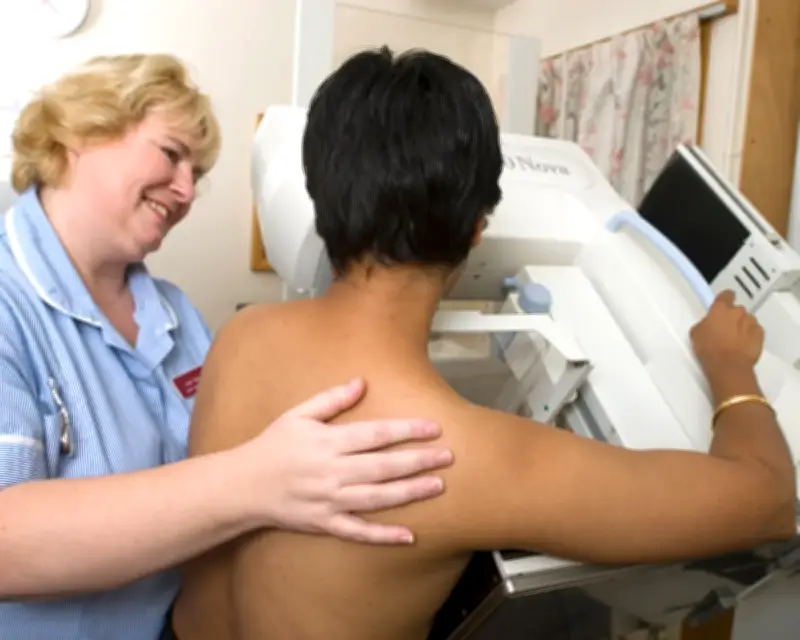
Helen Hills of York has added her voice to calls for changes to breast cancer screening guidelines for GPs, describing the current rules as irrational and discriminatory. In a letter published in The Guardian, she highlights that even if both her grandmother and mother have had breast cancer, she would not be added to the intensified screening list unless an aunt, great-aunt, or sister has also been diagnosed.
Guidelines Under Fire
Hills argues that the system unfairly penalises families like hers, where only one woman per generation is affected. This means that women with a strong paternal family history may be overlooked, while those with less direct lineage but multiple affected relatives are prioritised. The current criteria, she contends, fail to capture the full genetic risk.
The letter responds to a recent report (4 August) that welcomed calls for revised guidelines. Health experts have long debated the optimal approach to identifying high-risk women, balancing the need for early detection with the cost and potential harms of over-screening.
Impact on Families
For Hills, the consequence is a lack of access to intensified screening, which could lead to delayed diagnosis and worse outcomes. She is not alone; many women with a significant family history find themselves excluded from enhanced surveillance programs due to the narrow criteria.
According to the letter, the rules require a certain combination of affected relatives, which can exclude those with a clear genetic predisposition. This has prompted calls for a more nuanced risk assessment that considers the full family tree, including paternal lineage and the age of onset of cancer in relatives.
Other Letters
The same letters page also featured other reader concerns. Matt Sheard of Tayport, Fife, offered a satirical take on environmental enforcement, noting that the individual fined £500 for placing a coffee cup in a rubbish bag next to a full bin had committed the 'wrong environmental crime'. He suggested that dumping sewage into a river would have been more lucrative.
JK Mitchell of Dinton, Buckinghamshire, expressed sympathy for the owner of the Gordon Bennett boat, who recently lost his wife, and shared his frustration with the Canal and River Trust. Mitchell wrote on the anniversary of his own wife's death, adding a personal touch to the correspondence.
Jim Hatley of Brighton, East Sussex, offered commiserations and suggested adding Nick Cave's The Ship Song and Neil Young's Birds to the playlist celebrating the wife's life, noting they are sad but uplifting. Rory Murphy of London recalled his mother's saying that people with short or long illnesses 'enjoyed ill health'.
Call to Action
The letters highlight a broader concern about how medical guidelines are developed and whether they adequately reflect the diversity of patient experiences. Hills' letter is a poignant reminder that behind every statistic is a person whose life may be affected by policy decisions.
As the debate continues, it is clear that many readers are eager for change. The Guardian invites readers to share their opinions on these matters via email, with the best letters considered for publication.