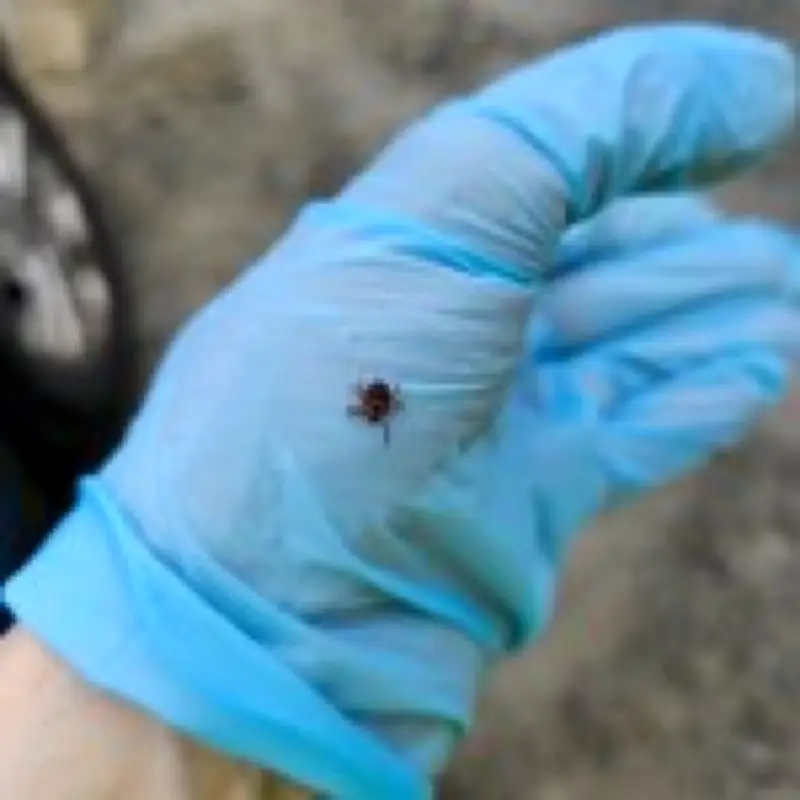
The Powassan virus, a rare and potentially deadly tick-borne disease with no cure, is spreading across the United States, with case numbers reaching historic highs. In 2025, 76 Americans were diagnosed with the virus, the highest number on record, up from an average of seven diagnoses per year, according to the Centers for Disease Control and Prevention (CDC).
History and Transmission
First discovered in a young boy in 1958, the four-year-old developed symptoms that medical experts could not explain. The virus is spread by infected woodchuck or deer ticks. Dr. Jorge Parada, a medical advisor at the National Pest Management Association in Chicago, told Fox News: 'Powassan can be transmitted in as little as 15 minutes after the infected tick bites, while Lyme disease usually requires a 36- to 48-hour attachment time for transmission.'
Most cases are concentrated in the Northeast United States, the Great Lakes region, and Canada. The virus has continued to spread more quickly than usual, leaving experts concerned.
Symptoms and Treatment
While transmission is fast, those who contract the Powassan virus may not develop symptoms for up to four weeks after exposure. According to the CDC, initial symptoms include fever, headache, vomiting, and weakness. Symptoms of severe illness include confusion, loss of coordination, difficulty speaking, and seizures. In some cases, severe illnesses can lead to complications such as encephalitis and meningitis.
There is no specific treatment for Powassan virus. The CDC recommends that most patients rest, drink plenty of fluids, and take over-the-counter pain medications to relieve symptoms. People with severe cases may need hospitalization for respiratory support, hydration, or reducing brain swelling.
Rise of Alpha-gal Syndrome
Cases of another potentially life-threatening allergy to meat triggered by tick bites are also on the rise, experts have warned. Alpha-gal syndrome was first linked to tick saliva 15 years ago and can cause sufferers to develop the allergy even if they have never experienced symptoms before. The disease is an immune response to a sugar called alpha-gal, found in the meat of most mammals. The allergy does not impact the consumption of seafood or poultry; chicken, turkey, and eggs are safe to eat.
While the allergy can take weeks or months to develop, symptoms can occur within hours of consuming meat or cheese. Most commonly associated with lone star ticks, scientists now believe other types of ticks, including the black-legged tick (also known as the sheep tick or castor bean tick in the UK), can also spread the allergy. Some 450,000 Americans are thought to have developed Alpha-gal syndrome, according to a CDC study. In the UK, the allergic response remains very rare.