
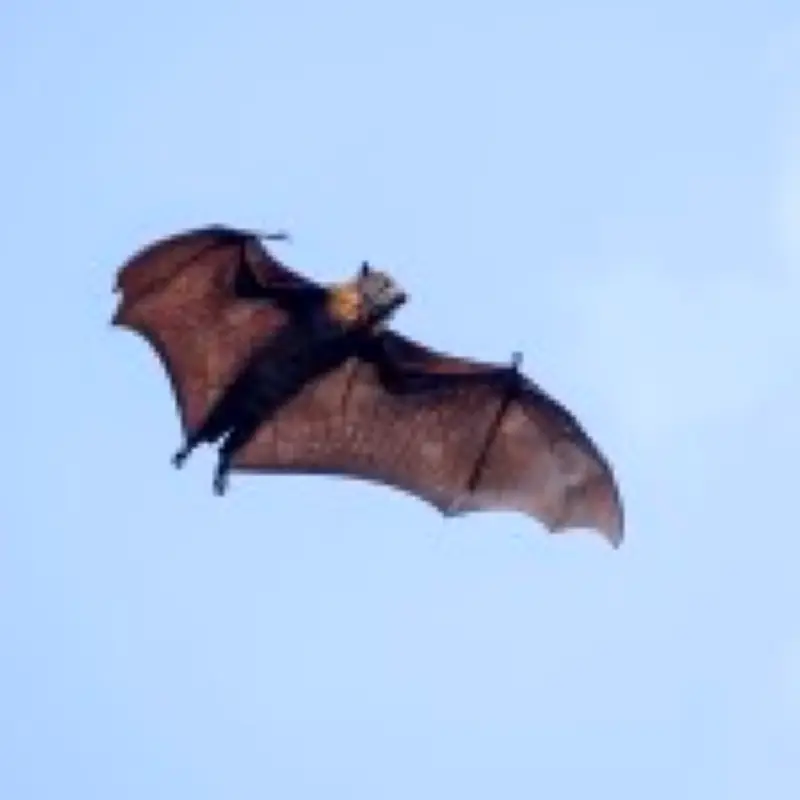
An 11-year-old boy in Ontario, Canada, died from rabies 19 days after waking up with a bat lying over his nose and mouth, despite having no apparent bite or scratch marks. The case, reported in the Canadian Medical Association Journal (CMAJ), marks the first fatal rabies infection in the province in over 50 years.
Symptoms and medical response
Nineteen days after the incident, the boy began experiencing symptoms including vomiting, facial 'pins and needles', and numbness. He was taken to an emergency department where he received supportive care, as there is no cure once rabies symptoms develop. The disease is almost always fatal after symptoms appear.
Prevention and expert guidance
Post-exposure prophylaxis (PEP), consisting of a series of rabies vaccines and human rabies immune globulin injections, can prevent death if administered promptly before symptoms develop. Dr. Brian Hummel, a paediatric infectious disease specialist at McMaster Children's Hospital and McMaster University, emphasized that any direct human contact with a bat, even without visible bites or scratches, warrants PEP consultation with public health authorities. 'This is especially important to consider as we approach the summer months, when human–bat encounters are at their peak,' he said.
Rabies risks and UK context
Bats are the most common rabies carriers in North America, but raccoons, skunks, and foxes can also transmit the disease. In the UK, there have been 27 confirmed human rabies cases since 1924, all but one contracted abroad. The UK has been free of terrestrial rabies since 1922. The boy's parents agreed to share his story to raise awareness about rabies prevention.




