
New research suggests that animals do not experience time the same way humans do, with significant differences in how they perceive the world unfolding around them. A recent review by researchers at the University of Sussex Centre for Consciousness Science, led by Ishan Singhal, explores the concept of a "timescape"—the unique way each species stitches together and updates its stream of perception.
Understanding Temporal Illusions Across Species
One method to study these differences involves temporal illusions, such as the auditory continuity illusion. When humans hear a phrase like "happy birthday" with parts replaced by white noise, the brain fills in the missing sounds, but only if the noise lasts about 100 milliseconds. Studies have shown that squirrels and starlings experience similar effects, but their time windows are shorter: about half as long in starlings and a quarter as long in squirrels, according to the research.
The Flash-Lag Illusion in Monkeys and Predator-Prey Dynamics
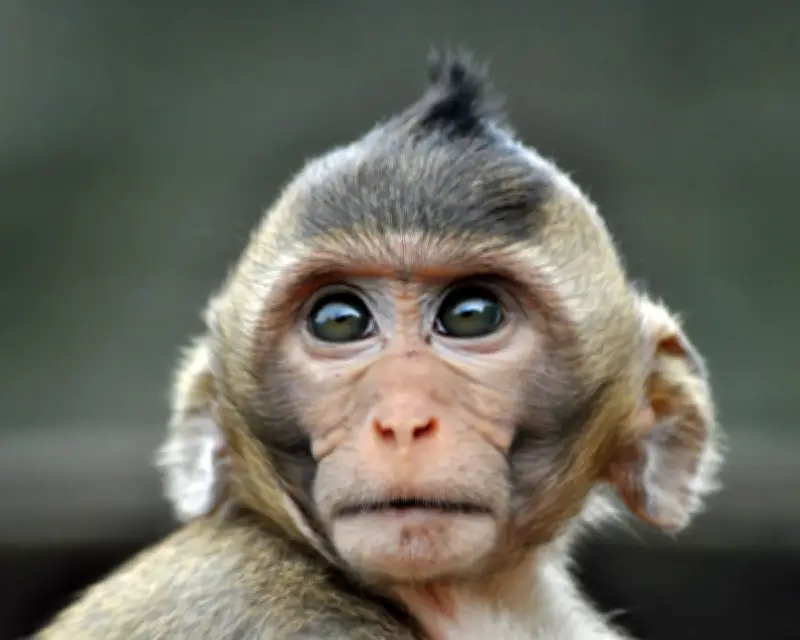
Another illusion, the flash-lag effect, occurs when a flash appears aligned with a moving object but is perceived as lagging behind. Monkeys experience this illusion too, though with a smaller lag than humans. This difference may be exploited by prey species like butterflies, which use high-contrast wing patterns to create flash-like displays that confuse predators—a phenomenon called motion dazzle.
Timescapes in Courtship and Infrastructure
The concept of timescapes also sheds light on animal behavior, such as the peacock's courtship dance. Singhal speculates that rapid tail feather shaking may create a flicker-induced depth illusion, making eye-spots appear to float. Beyond biology, understanding timescapes could lead to practical applications, including reducing bird collisions with wind turbines and designing better alarm systems for railways. "Our hope is that understanding animal experience through the shared lens of temporality can provide a bridge between evolution, perception, and, ultimately, what it is like to inhabit the world," Singhal said.



