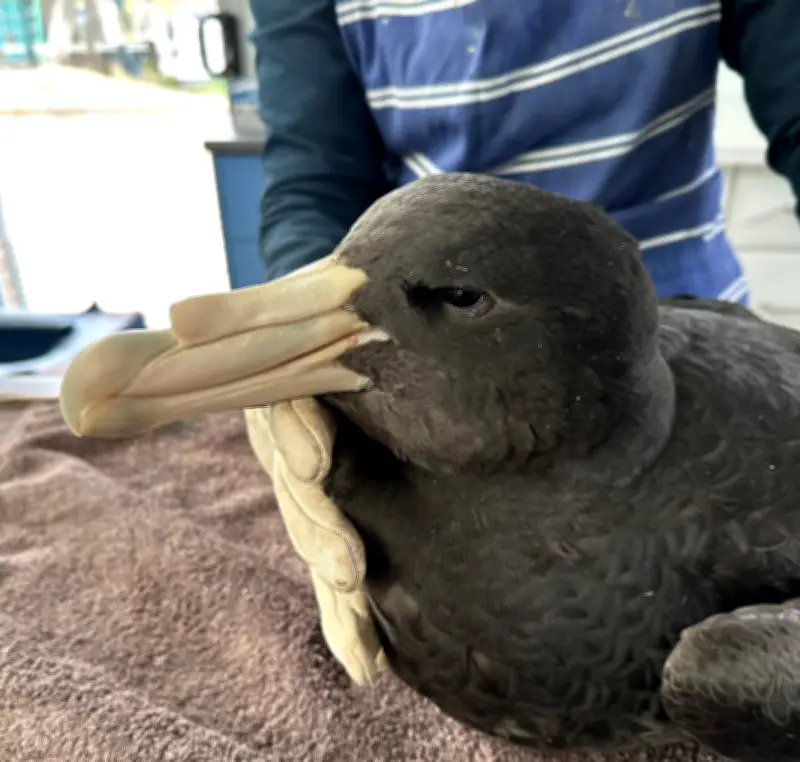
Highly pathogenic H5N1 avian influenza has been confirmed in wild birds in Western Australia for the first time, leading to the immediate lockdown of several poultry farms and the culling of thousands of birds, according to the state's Department of Primary Industries and Regional Development.
Detection and Response
The virus was detected in samples collected from wild birds near the town of Esperance, about 700 kilometers southeast of Perth. Authorities said the strain is genetically similar to the one that has caused outbreaks across Asia, Europe, and the Americas in recent years. In response, a control zone has been established, and all poultry farms within a 10-kilometer radius have been placed under strict biosecurity measures, including movement restrictions and enhanced surveillance.
“This is the first detection of H5N1 in wild birds in Australia, and we are taking immediate action to contain it,” said Dr. Michelle Rodan, chief veterinary officer for Western Australia. “We are working closely with the poultry industry to ensure that all necessary precautions are taken to protect domestic flocks.”
Impact on Poultry Industry
Western Australia's poultry industry, which produces about 120 million eggs annually, has been placed on high alert. At least three farms have reported suspected cases, and approximately 50,000 birds have been culled as a precautionary measure. The state government has also imposed a ban on the movement of poultry and eggs from the affected area, disrupting supply chains.
“The economic impact could be significant if the virus spreads further,” said John McKenna, CEO of the Western Australian Farmers Federation. “We are urging all poultry farmers to remain vigilant and report any unusual deaths or symptoms immediately.”
Public Health Risk
Health authorities have emphasized that the risk to humans remains low. No human cases have been reported in Australia, and the virus is not easily transmitted to people. However, the public is advised to avoid contact with sick or dead birds and to practice good hygiene. The Australian government has increased surveillance of wild bird populations and is coordinating with state agencies to monitor the situation.
Broader Context
The H5N1 strain has caused widespread devastation in bird populations globally, leading to the culling of hundreds of millions of poultry. Its arrival in Australia, which had previously been free of the highly pathogenic strain, raises concerns about its potential impact on native wildlife, including endangered species. Scientists are also monitoring for any mutations that could increase the risk to humans.