
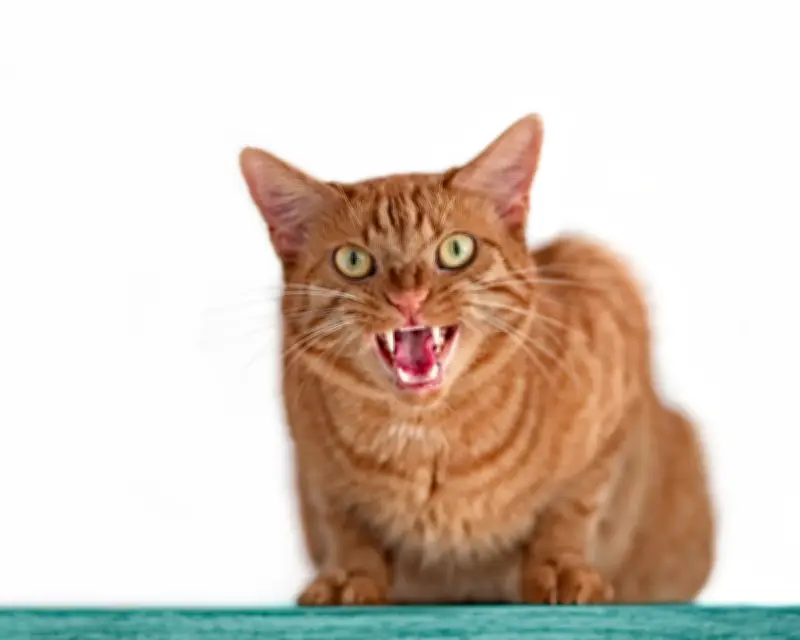
By 1988, there were more than 3 million domestic cats in Australia. But the fortunes of the cats and their owners were about to change, as historian Jodie Stewart details in her new book The Cats of Australia.
A history of feline fascination
Australia's first feline hero emerged in 1971 when Matthew Flinders' heartfelt tribute to his cat Trim was discovered. The nation's cat obsession began earlier: in 1872, Melbourne hosted its first cat show, just one year after London's Crystal Palace debut. By 1885, a writer in the Victorian Almanac noted that while cats were seldom treated well, Australians were starting to appreciate them more.
Colonial newspapers reported on a curious fad: the 'cult of the cat', which transformed the humble moggie from back-alley scavenger to fashionable commodity. Cat breeding became a lucrative pastime for upper- and middle-class women and men, with fancy breeds like Persians selling for hefty sums. British newspapers filled pages with 'cat business', and this zeal soon reached Australian shores.
From beloved pet to biodiversity villain
One of Australia's first catteries, Waratah Catteries, opened in Victoria's Christmas Hills in 1897, inspired by reports that breeders could earn upwards of £700 a year. Soon Australian newspapers ran regular 'cat chat' columns. But by the 1990s, concerns about cat predation and native species decline led to municipal bylaws including curfews, containment, mandatory desexing, and caps on cats per household.
Today, debates rage: some call for making cat ownership illegal, while others defend their pets fiercely. Online commenters write 'the only good cat is a dead cat', countered by 'if you want my cat you'll have to pry her from my cold dead hands'. Stewart notes that historically, Australians have both loathed and loved cats. In the late 19th and early 20th centuries, pedigree cats were coveted, but so were backyard moggies prized for keeping snakes at bay. In 1934, Harold Morgan said of his cat Humpy-Kai-Kai that he was 'more valuable than the fattest steer' on his cattle run.
Paradox of pest control and affection
In the late 19th century, hundreds of domestic cats were released on pastoral runs to control wild rabbits. By 1905, ornithologist AJ Campbell proclaimed wild cats an evil. Stray numbers rose in cities, with organisations like the Victorian Cat Protection Society (established 1947) providing food and medical care. Yet cat obsession continued: newspapers ran stories about cats, and cat boarding and breeding rose in popularity in the 1930s and 40s, becoming a career option for women. By 1988, there were more than 3 million domestic cats in Australia.
Stewart argues that despite two centuries of love—including deep intergenerational and cultural love from migrants—Australians are still reluctant to allow cats a place in the national story. This reluctance has real-world consequences for cats considered 'un-Australian'. She concludes: 'For good or ill, cats have shaped us as a nation. They have not been mere bystanders but active participants—in our homes, workplaces, farms, factories, ships, hospitals, and theatres of war.'



