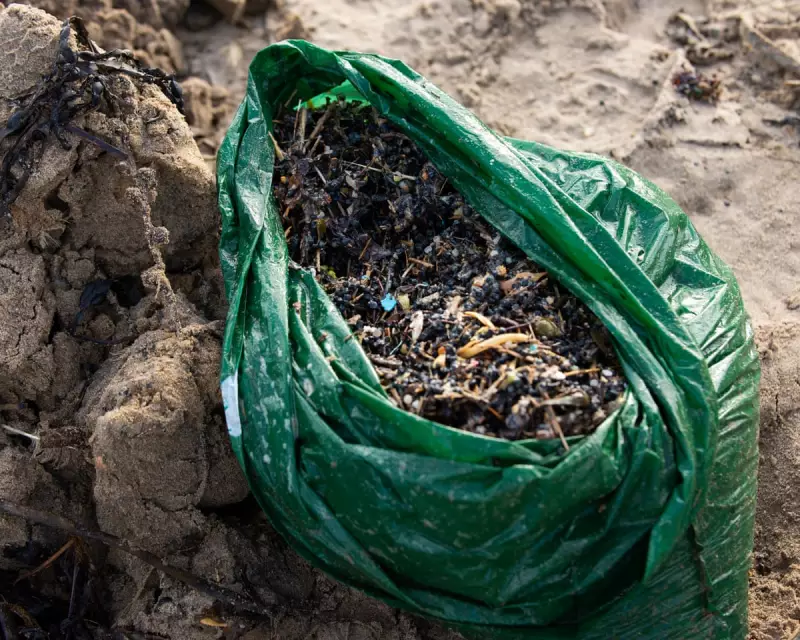
Catastrophic Biobead Spill Hits Sussex Coast
Southern Water has publicly apologised for a catastrophic environmental incident that saw millions of plastic biobeads pollute the Sussex coastline. The spill, described by local campaigners as the worst pollution event they've witnessed, occurred over the weekend and has particularly affected the beloved Camber Sands beach.
Mechanical Failure Blamed for Environmental Disaster
The water company confirmed that a mechanical failure at its Eastbourne wastewater treatment works likely caused the disaster. A screening filter designed to prevent such incidents failed during heavy rainfall, allowing the tiny plastic beads used in the final stage of sewage treatment to escape into the sea.
Andy Dinsdale, founder of plastic pollution campaign group Strandliners, reported the massive spill, with millions of beads washing up on beaches including Camber Sands. Southern Water stated they've identified the equipment failure and are conducting a thorough investigation while working closely with Rother district council on cleanup efforts.
Wildlife at Serious Risk from Toxic Beads
The environmental consequences are severe for Camber Sands, one of England's most cherished beaches known for its rare dune habitat and golden sands. The area is home to dolphins, porpoises, seals, and seabirds including terns and cormorants, all now threatened by the plastic pollution.
The biobeads contain dangerous levels of polycyclic aromatic hydrocarbons, substances linked to cancer, along with toxins including lead, antimony and bromine. Once in the marine environment, they attract algae that makes them smell like food to sea creatures, leading to potential poisoning when ingested.
Local residents have reported several dead stranded seals and a porpoise in recent days, raising concerns that the deaths could be connected to the bead contamination.
Volunteers Battle Impossible Cleanup Task
Community volunteers have spent days attempting to remove the tiny beads from the beach using rakes, dustpans and brushes, but their efforts are proving largely ineffective against the scale of contamination. If left in the environment, the beads will break down into microplastics that become almost impossible to extract from the sea and food chain.
Southern Water has pledged continued support for cleanup operations and asked that their staff volunteers be treated with respect while assisting with beach cleaning. The company faces potential regulatory action, though it remains unclear whether they will receive fines for the spill. The Environment Agency has been contacted for comment regarding enforcement measures.