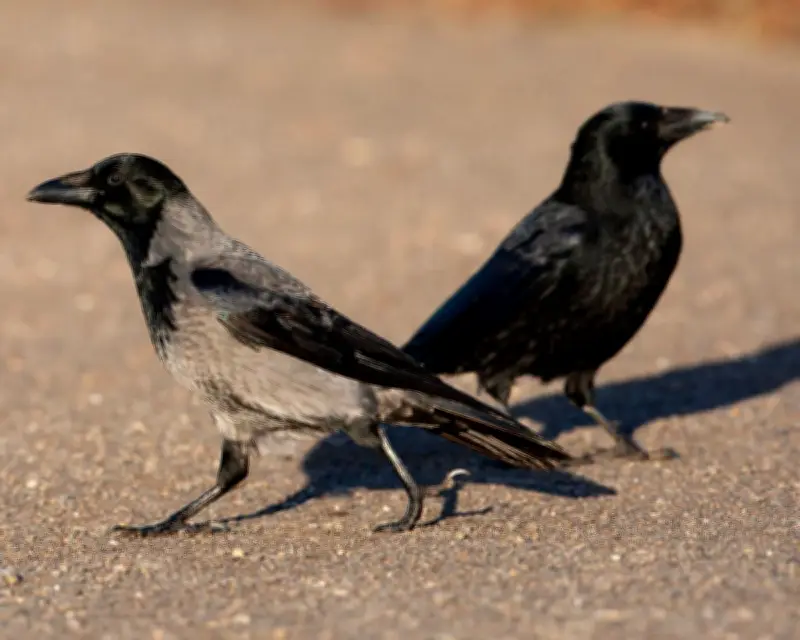
A recent country diary entry captures a vivid scene of birds engaged in a noisy argument, illustrating the broader issue of how environmental noise affects avian communication. The observer noted a group of birds, including blackbirds and robins, raising their voices in a heated exchange, likely triggered by territorial disputes or competition for resources.
The Noisy Exchange
The diary describes the birds' calls as unusually loud and persistent, with each species trying to outdo the other. The blackbird's melodious song turned into a sharp, repetitive alarm, while the robin responded with a series of high-pitched notes. This behavior is not uncommon, as birds often adjust their vocalizations in response to background noise, such as traffic or human activity.
According to ornithologists, noise pollution can disrupt bird communication, making it harder for them to attract mates, warn of predators, or defend territories. A 2023 study found that birds in urban areas sing at higher frequencies and louder volumes to be heard over anthropogenic noise.
Impact on Behavior
The diary entry highlights how such noise can lead to increased aggression among birds. The argument observed lasted several minutes, with the birds appearing agitated and unwilling to back down. This stress can have long-term effects on their health and reproductive success.
Local wildlife experts note that while such disputes are natural, the added pressure from noise pollution exacerbates conflicts. They recommend creating quieter green spaces to help mitigate these effects.
Broader Environmental Context
The incident serves as a reminder of the hidden costs of noise pollution on wildlife. In the UK, road traffic and construction are major contributors, affecting not just birds but also mammals and insects. The diary entry encourages readers to appreciate the subtle sounds of nature and consider ways to reduce their own noise footprint.