
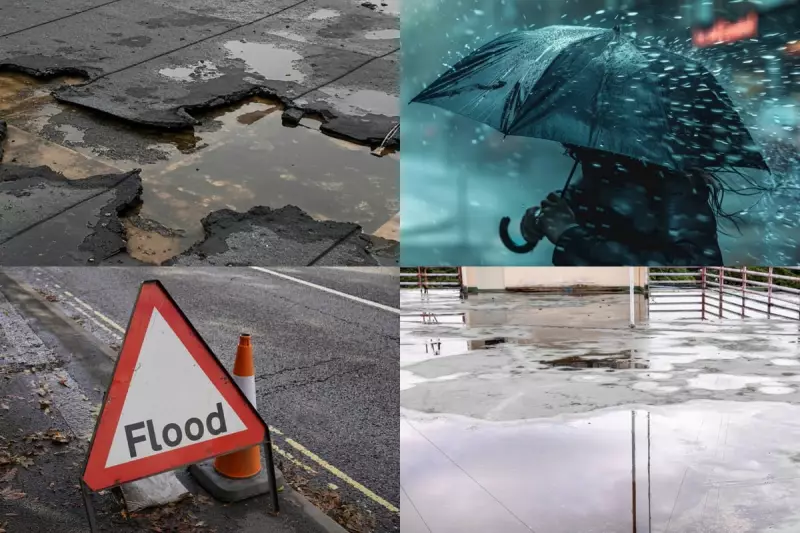
Roofing specialists have issued an urgent alert to homeowners across the United Kingdom, as forecasters predict a deluge equivalent to a full month's rainfall could descend in just 24 hours. The Met Office warnings, which include potential storm-force gusts and flooding, signal a heightened risk of significant property damage.
Imminent Threat of Severe Roof Damage
The Met Office has indicated that several regions may face an entire month's worth of precipitation within a single day. This extreme weather event, coming on the heels of autumn's disruptive Storm Amy and widespread flooding, is expected to push drainage systems to their limit within minutes. Emergency services and weather agencies are urging households to prepare for what could be one of the worst spikes in storm-related roof damage this winter.
Lee Moore, the Specialist Products Manager at PermaRoof UK, stated the situation is critical. "We're seeing storm damage on a scale not witnessed in years," he said. "This weather system is likely to trigger a sharp rise in roofing failures, emergency callouts and insurance claims - especially where roofs have existing vulnerabilities or where gutters and drainage haven't been maintained."
Moore emphasised that these severe weather events are no longer rare but are becoming a recurring seasonal pattern. He advised that simple, preventative checks conducted now could prevent thousands of pounds in repairs later, particularly for older flat roofs.
Essential Pre-Storm Checks for Homeowners
Experts are encouraging all property owners to undertake quick but vital inspections to mitigate risk. The key preventative steps include:
- Clearing gutters and downpipes to prevent dangerous backflow and overflow.
- Removing debris from flat roofs to reduce ponding and water pooling.
- Checking flashing, joints and roof edges for any signs of wind-related lifting or damage.
- Trimming overhanging branches that could snap and fall during high gusts.
- Identifying and monitoring areas where water tends to sit or drain slowly.
These actions can dramatically lower the chance of avoidable leaks and more serious, long-term structural issues to your home.
Documenting Damage and Seeking Durable Solutions
Once the severe weather has passed and it is safe to do so, homeowners should carefully document any visible damage to support potential insurance claims. Experts advise taking clear photographs from ground level—never by climbing onto the damaged roof. Recommended images include:
- Full roof views from all accessible sides.
- Missing, lifted or damaged roofing materials.
- Fallen branches or other wind-blown debris.
- Cracked flashing or displaced guttering.
- Interior signs of water ingress like stains, damp patches or drips.
This evidence can speed up insurance approvals and help roofing professionals assess repairs quickly.
With extreme weather now a year-round concern, many are turning to more resilient roofing systems. Products like EPDM rubber roofing are recognised for their long-term durability, offering exceptional waterproofing, flexibility in freezing conditions, and strong resistance to UV rays, storms, and wind uplift.
PermaRoof UK, a flat-roof company with over 25 years of industry experience, advocates for such long-term protective solutions. "As we all batten down the hatches for another spell of severe weather, one thing is certain: your roof is your home's first line of defence," added Moore. "Taking action early - even simple steps - can make a huge difference. If you're unsure about the condition of your roof before or after a storm, or you've spotted early signs of damage, seek expert guidance. Don't be left high and dry in the wet weather."



