Dutch Water Management Expert Calls for UK to Adopt Proven Flood Defense Strategies
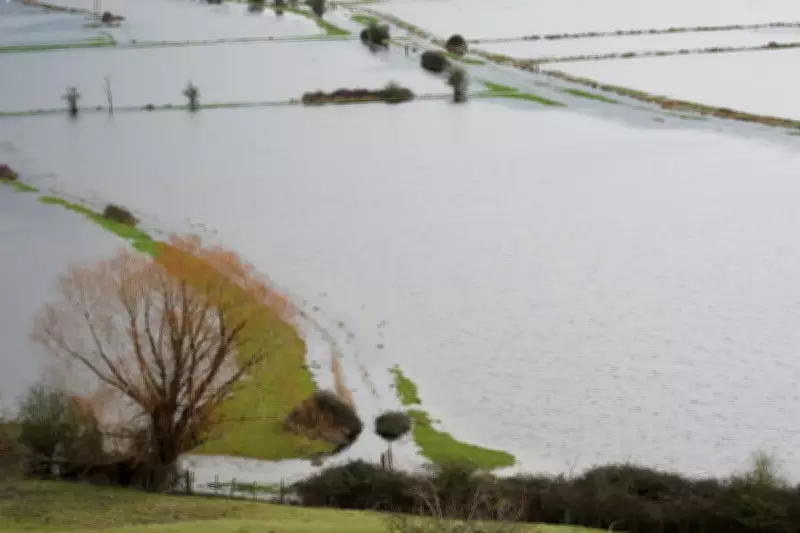
Andrew Hiscock, a resident of Harlingen in the Netherlands, has issued a stark comparison between his country's flood management and Britain's ongoing struggles. In a compelling letter, Hiscock highlights that the Netherlands, despite much of its land being below sea level, has experienced no flooding since 1953. This stands in sharp contrast to Somerset, which he humorously refers to as "twinned with Atlantis," where his cousin has already endured three flood events in 2026 alone.
The 1953 North Sea Storm Surge: A Turning Point
The critical divergence began after the devastating 1953 storm surge that impacted both East Anglia and the Dutch province of Zeeland. The Netherlands responded with the ambitious Delta Works project, a comprehensive system of dams, sluices, and barriers. Hiscock notes that while the Dutch took decisive action, England's response was notably lacking. He emphasizes that years of investment in land reclamation and flood defense have made the Netherlands exceptionally resilient, even as it manages the deltas of major European rivers like the Rhine and the Meuse.
Hiscock lives merely five metres from a major inland waterway, yet reports stable water levels, and 150 metres from the sea, protected by a dual-function sluice. This infrastructure prevents high sea water intrusion and releases fresh water at low tide, showcasing advanced hydrological engineering. He confidently states that the Netherlands is the best-protected nation against rising sea levels for the next century.
The Catastrophic Cost of UK Flooding
The financial impact of repeated flooding in the UK is described as catastrophic, particularly in terms of insurance costs. Hiscock argues that the solution is straightforward: engage Dutch water experts to transfer their proven techniques and knowledge. His plea underscores a growing urgency as climate change exacerbates flood risks across Britain.
Innovative Housing Solutions Proposed by UK Readers
In related correspondence, John Sergeant from Cambridge addresses the intersection of flooding and housing shortages. He critiques major housebuilders for what he calls a "bone-headed business plan" that prioritizes building in flood-prone areas over innovative design. Sergeant suggests adopting raised housing structures, with ground floors reserved for cars, hobbies, and flood preparedness items like waders and boats.
Power outlets would be installed at higher levels, and raised parking platforms could double as recreational areas during dry periods. He points to ancient vernacular architecture from Thailand and other regions with distinct wet and dry seasons as historical precedents. Additionally, he highlights the Netherlands' pioneering work in developing floating homes as a modern adaptation.
A Call for Flood Risk Certificates
Michael Heaton from Warminster, Wiltshire, proposes a regulatory enhancement inspired by energy performance certificates. He advocates for the introduction of flood risk certificates for all homes sold or rented. This measure would increase transparency, informing buyers and tenants about potential flood hazards and encouraging better planning and construction practices.
These letters collectively stress the need for immediate action, combining international expertise with local innovation to mitigate Britain's escalating flood crisis. The insights from the Netherlands offer a proven blueprint, while creative housing designs and new certifications could reshape how the UK approaches flood resilience in an era of climate uncertainty.