
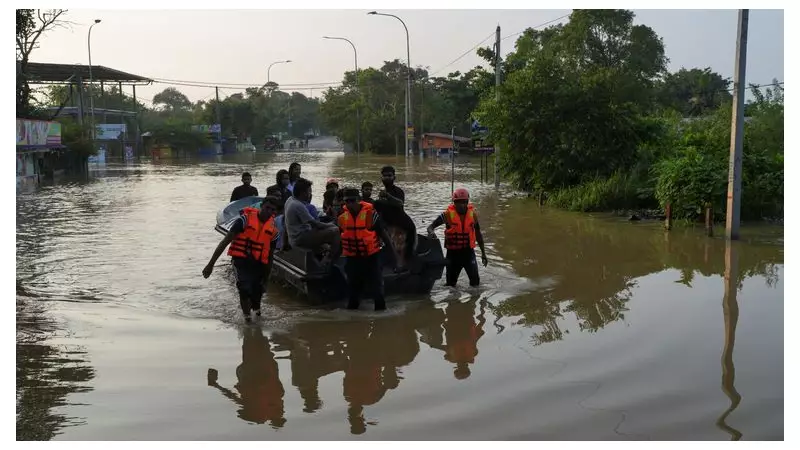
Rescue and recovery operations are intensifying across parts of South and Southeast Asia following a series of devastating cyclones and extreme rainfall that have claimed more than 1,100 lives and left hundreds missing.
A Region Submerged: The Scale of the Catastrophe
Authorities across the region have confirmed a staggering death toll from the unprecedented weather events. The official figures report at least 366 fatalities in Sri Lanka, 604 in Indonesia, and 176 in Thailand, bringing the total confirmed dead to 1,146. The number of missing persons is also alarmingly high, with 800 people still unaccounted for across the affected nations.
In Sri Lanka, the crisis was triggered by Cyclone Ditwah, which President Anura Kumara Dissanayake described as the "largest and most challenging" natural disaster in the country's history. The cyclone brought torrential downpours that flooded homes, agricultural land, and roads, while also triggering deadly landslides in the central highlands. The nation's disaster management centre stated that nearly one million people have been impacted, with close to 200,000 forced to seek refuge in emergency shelters.
Rescuers in Sri Lanka are continuing to search for 367 missing individuals. Although train and flight services have resumed after last week's disruptions, schools remain closed as the country begins the long process of recovery.
Search and Recovery Efforts Across Nations
The situation in Southeast Asia is equally dire, where two separate cyclones struck. In Indonesia, the death toll is particularly severe, and rescue teams face a daunting task. Official figures indicate that 464 people are still missing in Indonesia alone. The rare tropical storm has damaged more than 28,000 homes, affecting 1.4 million residents.
Indonesian President Prabowo Subianto visited the three hardest-hit provinces on Monday, labelling the event a catastrophe and pledging to rebuild vital infrastructure. The flooding has displaced nearly 300,000 people within the country. Survivors like Afrianti, 41, from Padang city in West Sumatra, returned to find their homes utterly destroyed. "My home and business are gone, the shop is gone. Nothing remains," she said, now sheltering with her family of nine beside a single surviving wall.
In Thailand, flooding across eight southern provinces has impacted approximately three million people. The military conducted a major mobilisation to evacuate critical patients from hospitals and reach those stranded by floodwaters. The city of Hat Yai, a key southern trading hub, experienced its highest single-day rainfall in 300 years on 21 November, with 335 mm (13 inches) falling, followed by days of relentless rain.
Regional Impact and Government Response
The effects of Cyclone Ditwah were also felt in neighbouring India. The storm brought heavy rain to the southern state of Tamil Nadu over the weekend, resulting in three confirmed fatalities. By Monday, Indian weather officials reported the system had weakened into a "deep depression" located 50km off the coast of Chennai and was expected to dissipate further.
Thai Prime Minister Anutin Charnivirakul expects displaced residents to be able to return home within a week, according to a government spokesperson. The first batch of compensation payments, totalling 239 million baht (£5.6 million), was set to be distributed on Monday to 26,000 affected people.
Malaysia has also been affected, reporting at least three deaths. Authorities remain on high alert for potential second and third waves of flooding, with 11,600 people still housed in evacuation centres.
As recovery operations continue, with communities clearing mud and debris, the focus remains on searching for the missing and providing essential aid to the millions whose lives have been upended by this catastrophic series of weather events.



