
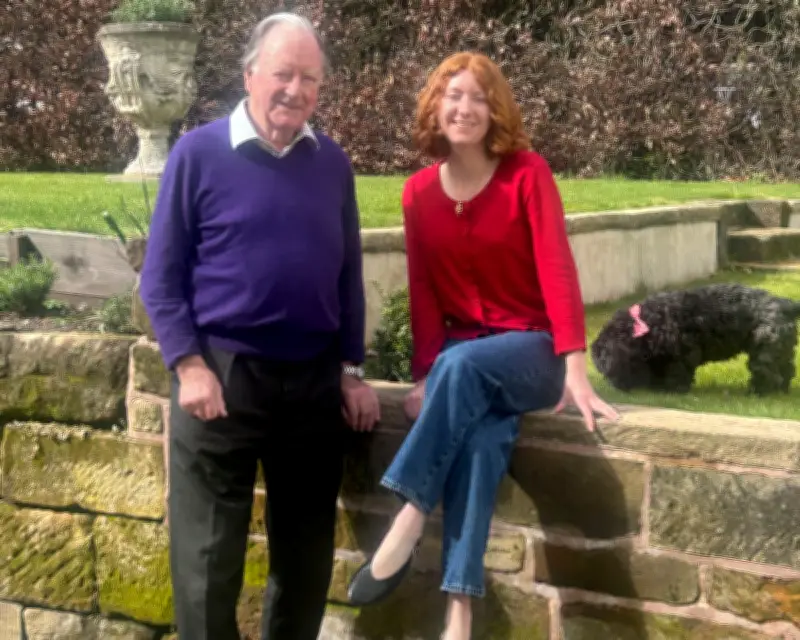
Esme Gordon-Craig always considered herself a good person, someone who refrained from littering and avoided harming the world. But after moving home to Staffordshire in summer 2025, her understanding of good citizenship was transformed by her 83-year-old grandfather, Nicholas.
A chance encounter by the canal
Earlier this year, while walking her dog along a canal, Gordon-Craig spotted her grandfather scrambling up a ditch. He was beaming with pride, wielding a litter picker and a bag filled with rubbish. It turned out he spends nearly an hour every day litter picking—the extreme version, retrieving even the most difficult-to-reach trash.
“I knew he was a fan of keeping the village tidy, but I had no idea of his dedication,” she writes. Her grandfather climbs into bogs for discarded noodle packets, scales trees for dangling dog poo bags, and ventures through thorns for beer cans. He even risks falling into the canal to remove large logs that could damage passing boats.
Joining the mission
Gordon-Craig had only litter-picked during school disciplinary sessions. But seeing her grandfather’s commitment inspired her to join him. Soon, she established a daily routine: walking the dog while listening to a podcast, then picking up litter under her grandpa’s direction.
Their efforts extended beyond litter. After a severe storm, they spent half an hour straightening and restaking newly planted tree saplings that had blown over. “Now, I take great pride in walking past said saplings, which are looking stronger and more sturdy by the day,” she says.
A new philosophy
Gordon-Craig now applies her grandfather’s lessons even when they are not together. She never passes a stray can or takeaway cup without picking it up. Her experience has revolutionized her approach to shopping, eating, and drinking, from coffee cups to fast fashion.
She realized that being a good citizen requires more than holding correct views or avoiding bad actions. “It’s about going out of your way to be helpful and making a positive contribution to society,” she writes. “It’s making a practical effort to effect change, even if only on a small scale.”
She criticizes the trend of following activist Instagram accounts and reposting messages as sufficient moral action. “While there might be some value in spreading positivity online, it certainly isn’t the only thing we can and should be doing,” she notes.
Ripple effects
The experience has sparked a ripple effect. Gordon-Craig now engages more with her community—boaters along the canal share their stories, appreciative of her clean-up efforts. It has deepened her love for her hometown and made her curious about her grandfather’s other hobbies.
“It’s left me itching to know more about my grandpa’s life and what other extreme hobbies he might have up his sleeve,” she says.



