
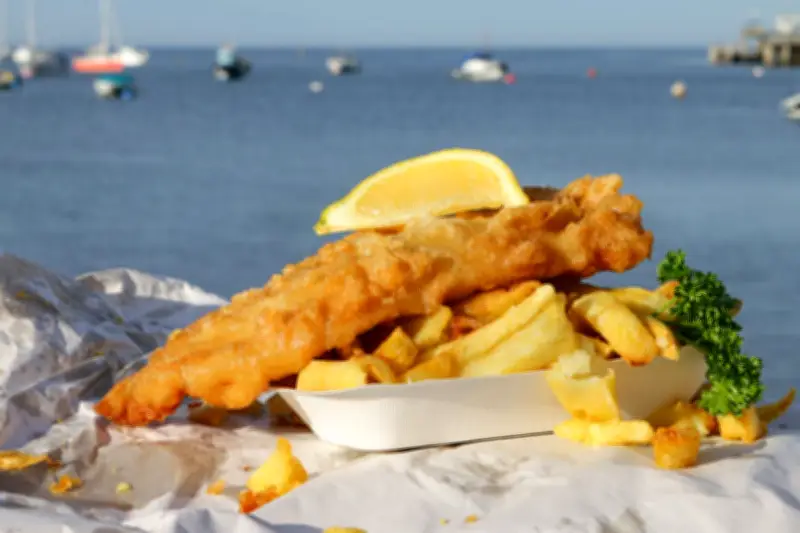
Cod prices in Britain have reached record highs, driven by supply shortages and increased demand, putting pressure on the nation's beloved fish and chip shops. The price of cod has risen by over 50% in the past year, according to industry data, with a kilo now costing around £15, up from £10 in 2025.
Supply chain disruptions and climate impact
The surge is attributed to reduced catches in the North Sea due to stricter fishing quotas and warmer waters affecting cod populations. The Marine Stewardship Council reports that cod stocks in the North Sea have declined by 30% over the past decade. Additionally, post-Brexit trade barriers have complicated imports from Iceland and Norway, which supply about 40% of UK cod.
Impact on fish and chip shops
Fish and chip shops, which traditionally rely on cod as their mainstay, are feeling the pinch. Many have raised prices by 10-20% for a portion of cod and chips, with some now charging over £10. Others are switching to cheaper alternatives like pollock, haddock, or even basa. "We've had no choice but to increase our prices," said John Smith, owner of The Golden Fry in Brighton. "Customers are starting to notice, but we're trying to keep it affordable."
Consumer behavior shifts
Consumers are also adapting. A survey by the National Federation of Fish Friers found that 35% of customers have switched to cheaper fish options in the past six months. Haddock, which costs around £12 per kilo, has become a popular substitute, while pollock at £8 per kilo is gaining traction. Some shops are even offering vegetarian alternatives like battered halloumi.
Government and industry response
The government has acknowledged the issue, with the Environment Secretary stating that they are working with the fishing industry to support sustainable stocks. Meanwhile, the UK Seafood Industry Alliance is calling for a review of fishing quotas and better trade deals to stabilize prices. The situation highlights the vulnerability of the UK's seafood supply chain to environmental and political factors.



