
Hottest year on record in 2025
The UK experienced its hottest year on record in 2025, according to the annual State of the UK Climate report, which draws on data stretching back to 1884. The report, published in the International Journal of Climatology, found that carbon pollution in the atmosphere has pushed temperatures to unprecedented levels. The last four years in the UK are among the top five hottest on record, with higher averages from climate breakdown making dangerous extremes hotter.
Quadrupled hot days in London
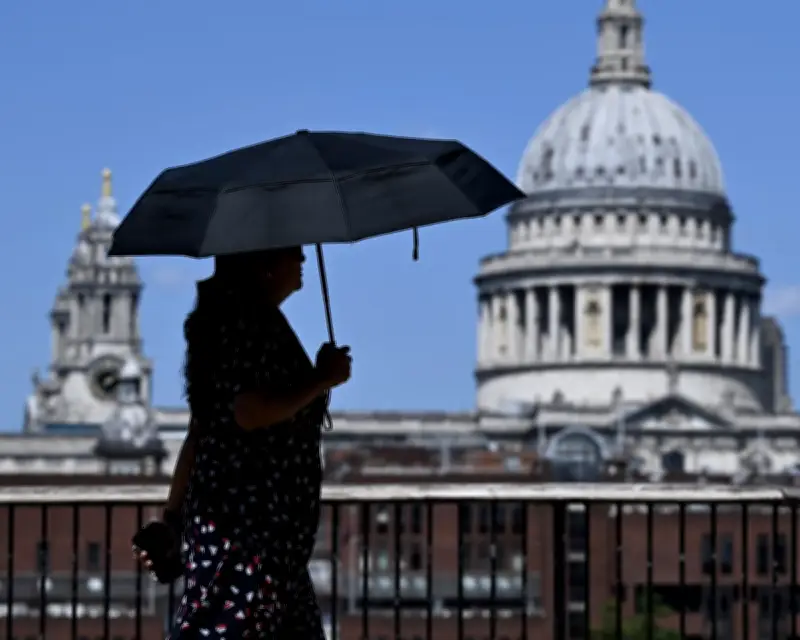
In Greater London, the number of days over 30C and nights over 18C more than quadrupled in the last decade compared with the 1961-1990 period. In an area from Kent to Lincolnshire, the average hottest day of the year was 4.5C (8.1F) warmer in the last decade than in 1961-1990. Colder northern parts of the country are now experiencing temperatures that London had decades ago, the scientists said.
'Unprecedented changes continuing'
Mike Kendon, a scientist at the National Climate Information Centre and lead author of the report, said: 'What we used to think of as extreme, we increasingly consider as normal. We are seeing unprecedented changes continuing … and every year adds to this body of evidence.' The report also found that the UK had already recorded as many 30C (86F) days in 2026 as in the extraordinarily hot year of 1976.
Wetter winters and drier springs
Warm air can hold about 7% more moisture for each degree Celsius of warming, allowing for heavier rainfall. The report found that the number of the very wettest days has risen by more than 20% since the 1961-1990 period, while rainfall intensity has risen by 5%. However, punishing droughts amid hot and dry summers are expected to worsen. In spring 2025, most of England and Wales received less than half of the average rainfall for the same period in 1991-2020. England's river flow from March to August 2025 was the second lowest on record in a dataset going back to 1961.
Impact on infrastructure and health
Liz Bentley, head of the Royal Meteorological Society, said: 'The way we experience climate change most is through the weather extremes. Climate change has been described by scientists for many years but is now increasingly being felt by the UK population in their own homes and communities.' Persistent hot and dry weather has created conditions for wildfires, with fire services struggling to contain blazes. A separate analysis found that the May and June heatwaves killed about 2,700 people in England and Wales. Kendon added: 'A lot of our infrastructure, housing stock, agriculture and health systems are based on a climate that is no longer represented by recent observations. A final point, if you find this sobering enough, is these changes are set to continue. We're not saying that where we are now is where we're going to stay.'



