
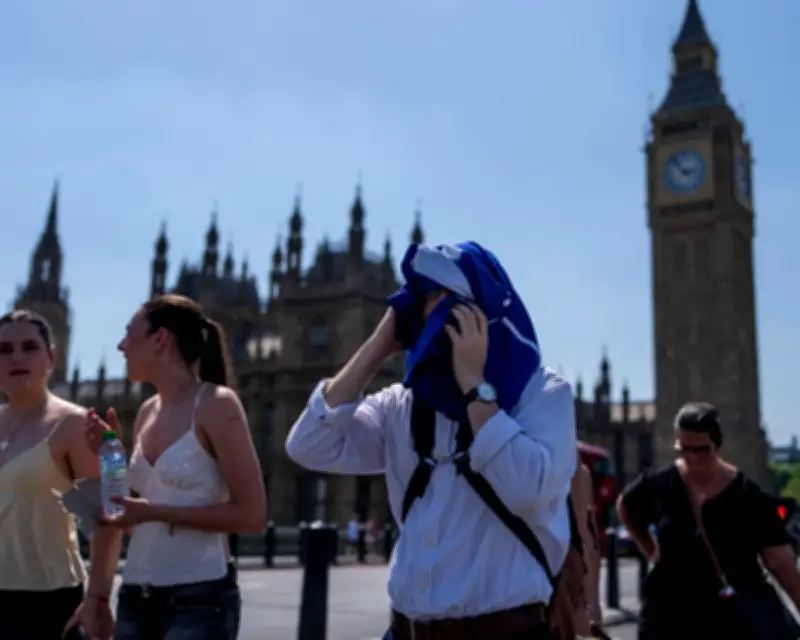
Heatwave Death Toll Could Exceed 20,000 in Europe
Scientists have published first estimates of the death toll from Europe's ferocious June heatwave, which is likely to range from several thousand to more than 20,000. The heatwave broke temperature records across the continent, including 39.2C in Berlin and 41.7C in Coschen, Germany – the highest temperature ever recorded in the country.
Ajit Niranjan, a journalist covering extreme heat, observed scenes of people ignoring the dangers: a beer bike tour in Berlin where men drank alcohol without hats, showing sunburn, and a resident in Coschen who dismissed the record heat as "also warm" when he was young. These incidents highlight the need for better awareness and action.
Four Ways to Cut the Vast Death Toll from Heat
There are four basic approaches to reduce heat-related deaths: stop the planet from baking, cool your immediate environment, avoid the heat, and protect vulnerable people. According to Niranjan, individuals in rich democracies have power over all of them.
1. Cut Carbon Pollution
The June heatwave would have been "virtually impossible" just a couple of decades ago, scientists say. Studies have found more than half of heat-related deaths in European cities are tied to burning fossil fuels. For the average person, cutting carbon pollution means avoiding flights, eating less meat, swapping gas boilers for heat pumps, and replacing combustion-engine cars with electric vehicles, bikes, or buses – and simply buying less stuff.
2. Adapt Your Home
In cities, hot weather is compounded by the urban heat island effect, partly due to car culture that prefers tarmac to green space, along with poor building design, particularly in northern Europe. Air-conditioning is a powerful shortcut to cool homes, although it strains electricity grids and worsens urban heat for those without it. Shading solutions such as awnings and external shutters can often achieve the same effect without trade-offs. Even renters on tight budgets can adopt makeshift versions, like hanging curtains or bedsheets outside windows, which can lead to surprisingly large temperature differentials.
3. Change Your Habits
Drinking water, drawing curtains, wearing loose clothes, and avoiding the sun are simple ways to deal with the heat. However, what feels like common sense to some may be unfamiliar to those who did not grow up with extreme heat. Avikal Somvanshi, a heat researcher at the University of Darmstadt, noted that in India and southern Europe, people seek shade when the sun is out, but "my fellow Germans will just stand there trying to get a tan."
4. Check In and Help Out
Trade unions are pushing for work to stop when temperatures soar, particularly for builders and farmers. In cities such as Barcelona, small businesses and public buildings have been turned into makeshift cooling centres. Doctors have touted the benefits of checking in on older people and those with underlying illness, who make up the vast majority of heat deaths, particularly those who live alone. In Paris, vulnerable people can sign up to have the city's authorities check on them during a heatwave, while in Denmark, volunteers have taken this service into their own hands. Niranjan urges: "Knock on your neighbour's door – a cool drink or a hand with the groceries could spell the difference between life and death."



