
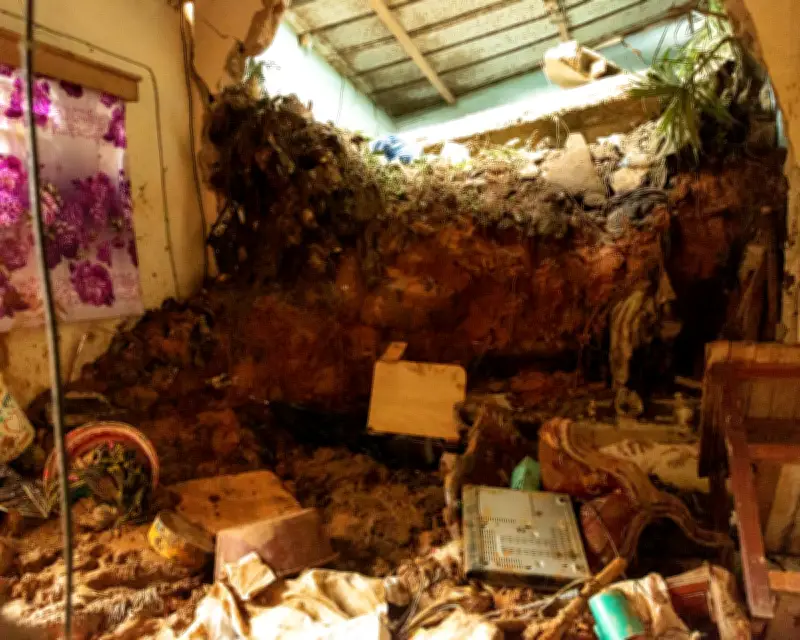
Floods in Côte d'Ivoire have claimed at least 59 lives since May, according to the communication minister, Amadou Coulibaly, who addressed a cabinet meeting in Abidjan. The toll may rise as rescue teams continue searching for victims during the rainy season, which runs from May to July.
Regional Impact and Casualties
In neighboring Ghana, at least 13 people have died, and more than 400 were rescued on Tuesday, the Ghana fire service reported. President John Mahama posted on X that the downpour was approximately 140mm of rain, significantly higher than the highest single-day rainfall recorded last year of about 56mm.
Floods have also affected parts of Benin, Togo, and Nigeria, though no confirmed casualties have been reported in those countries. In Lagos, Nigeria, flooding halted operations at a transmission substation, disrupting electricity supply to several neighborhoods.
Underlying Causes and Infrastructure Challenges
Authorities attribute the deadlier floods to climate breakdown, which exacerbates extreme weather frequency and impact. Despite Africa's minimal contribution to greenhouse gas emissions, the World Meteorological Organisation has noted the continent's particular vulnerability to such events. However, poor waste management and urban population growth straining existing infrastructure have also been acknowledged as contributing factors.
After an aerial tour of affected areas, President Mahama explained that Accra was built between the Akwapim mountain range and the Atlantic Ocean—a manageable situation when the city was small. "As the population continues to increase and people continue to build, it restricts the path of the streams on the way to the Atlantic… there is also human behavior of dumping garbage in the drains… Even in the air, we discovered many illicit dumping sites where wetlands are," he added.
Immediate Consequences and Future Outlook
In Accra and nearby Tema, rains submerged buildings and roads, cutting off access. Fires started in some areas after electrical installations were flooded. The Nigerian Meteorological Agency (NiMet) has predicted "above normal" rainfall in Abuja and nine states this year, including some northern states that experienced the worst flood in 60 years last year. Between last December and February, southern and northern Africa were similarly affected by deadly floods.



