
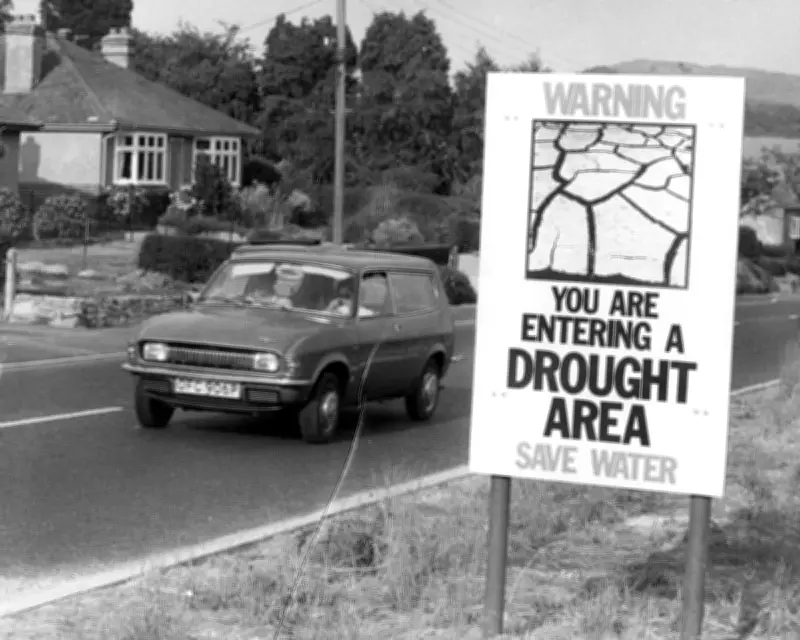
The sweltering conditions that made the 1976 heatwave a historic event in the UK are now becoming the new normal as the climate crisis accelerates, according to a new analysis by the Met Office. The study found that average summer temperatures in the UK have risen by 1.5°C since 1976, making extreme heat events more frequent and intense.
What happened
The Met Office's analysis compared the 1976 heatwave, which saw temperatures topping 35°C for 15 consecutive days in parts of England, with recent summers. It found that the probability of experiencing a summer as hot as 1976 has increased significantly. In 1976, such a summer was a once-in-500-year event; now, it is expected every 50 years on average.
Dr. Mark McCarthy, head of the Met Office's National Climate Information Centre, said: "The 1976 heatwave was a benchmark for extreme weather in the UK, but our data shows that what was once exceptional is becoming increasingly common. Climate change is shifting the baseline, and we need to adapt to this new reality."
Details and impact
The analysis highlights that the UK's average summer temperature has increased by about 1.5°C since the mid-20th century, with the most pronounced warming occurring in the last three decades. The 1976 heatwave was characterized by a prolonged drought and temperatures that reached 35.9°C in Cheltenham. Today, temperatures of 35°C are recorded more regularly, with July 2022 seeing the first 40°C reading in the UK.
The impacts of this shift are far-reaching. The 1976 heatwave led to water shortages, crop failures, and a spike in heat-related deaths. Today, the UK faces similar challenges but on a larger scale, with the health service under greater pressure during heatwaves and infrastructure like railways and roads buckling under extreme heat. The Met Office warns that without significant cuts to greenhouse gas emissions, the frequency and severity of such events will continue to increase.
Adaptation and future outlook
In response to the findings, the UK government has pledged to invest in heat-resilient infrastructure and public health campaigns to protect vulnerable populations. However, climate activists argue that more aggressive action is needed to reduce emissions and meet the Paris Agreement targets. The Met Office's analysis serves as a stark reminder that the climate crisis is not a distant threat but a present reality reshaping the UK's weather patterns.



