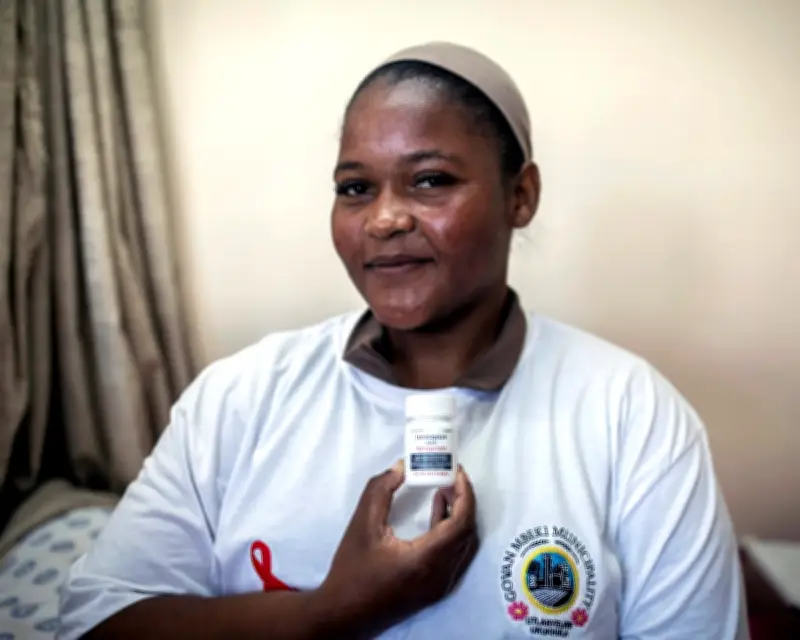
Africa has earned the right to set the terms of the fight to end AIDS by 2030. Over two decades, the continent turned the epidemic around: AIDS-related deaths fell by 59% since 2010 and new infections by 68%. Nearly 22 million Africans are alive today on daily treatment. Keeping them alive is a permanent commitment.
Funding Crisis Demands New Approach
External health aid to Africa was estimated to have fallen by 70% between 2021 and 2025. The model that brought the response this far—where Africa delivered while others financed and directed—is ending. The only real choice is whether the continent leads the transition or absorbs the shock.
The Common Africa Position for the 2026 High-Level Meeting at the UN in New York on HIV/AIDS is Africa's answer. Agreed across member states, experts, and institutions, it speaks with one voice. It is built on the Africa Health Security and Sovereignty agenda, which heads of state adopted to treat health as a matter of sovereignty rather than charity.
Three Key Demands for the Declaration
The position rests on three main demands. First, domestic HIV financing must rise faster, moving inside national budgets, primary healthcare, universal health coverage, and social protection. Africa CDC's target is concrete: at least 20 countries financing half or more of their own health spending by 2030.
Second, access to medicines must improve. Africa needs reliable supply of antiretrovirals, diagnostics, and innovative prevention tools such as long-acting pre-exposure prophylaxis (e.g., lenacapavir). Lenacapavir could reach 9 to 11 million people and accelerate progress towards ending AIDS by 2030, but only at a price an African budget can bear.
The African pooled procurement mechanism (APPM), led by Africa CDC, turns scattered demand into a continent's bargaining power. The African Medicines Agency supports local manufacturing. The continent aims to locally manufacture at least 60% of its health product needs by 2040.
Systems and Rights at the Core
Third, health systems must be strengthened. HIV care has to be folded into primary healthcare, with testing, treatment, and maternal health reaching people through one door. Communities living with HIV need funding and formal standing. Stigma, gender-based violence, and punitive laws keep people from care. The data must be African, held in country-owned systems under African control.
According to Dr Jean Kaseya, director general of Africa CDC, and HE ambassador Amma Adomaa Twum-Amoah, AU commissioner for health, "For 25 years the world asked whether Africa could deliver the AIDS response. It can, and it has. The question this June is different. It is whether the world will back Africa to finish the job on African terms, or spend another generation managing the continent's dependence."