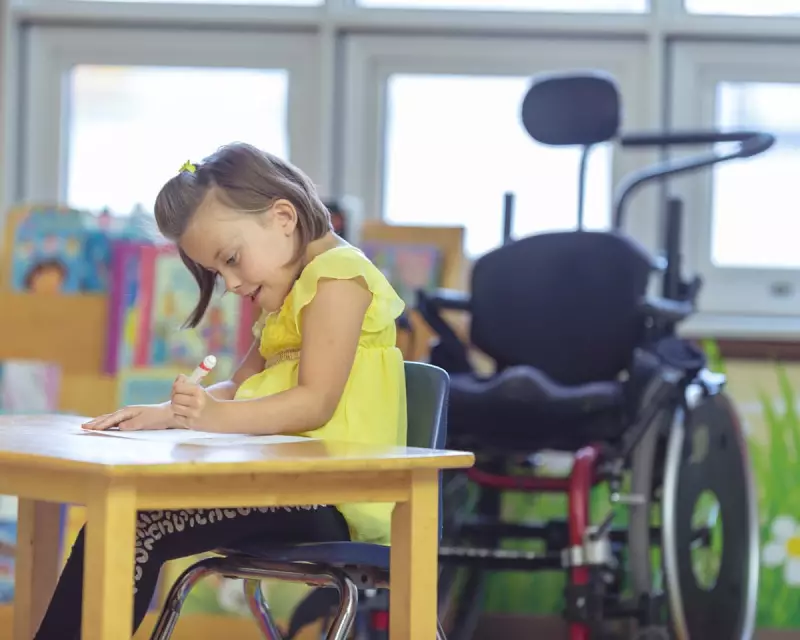
England's special educational needs system is teetering on the brink of total collapse, according to education experts who have witnessed years of systemic failure. The warning comes as demand for support reaches unprecedented levels, leaving vulnerable children without adequate provision.
The Reality Behind Inclusive Education
Michael Robinson, an education professional from Gosport, Hampshire, highlights a disturbing trend where children with significant special educational needs are increasingly placed in mainstream schools. This practice often occurs not because it represents the best educational environment, but because specialist placements remain either unavailable or too expensive for local authorities to fund.
While the principle of inclusion is commendable, the reality facing many mainstream schools is starkly different. These institutions frequently lack the trained staff, necessary resources, and appropriate infrastructure required to meet increasingly complex needs. Describing such arrangements as 'inclusive' often contradicts the actual experience of many children who struggle without proper support.

Growing Demand and Government Response
The rising number of Education, Health and Care Plans reflects a genuine and growing need among students, rather than indicating parental opportunism as some might suggest. Despite this clear demand for specialist support, the government appears focused on making it more difficult for families to secure essential services.
Most concerning are proposals that could limit or completely abolish special needs tribunals. These tribunals currently serve as a crucial safeguard for families seeking appropriate educational support for their children. Their potential removal would significantly weaken families' ability to challenge inadequate provision.
A Pivotal Moment for Reform
This represents a critical juncture for special educational needs provision in England. If government reforms prioritize cost-cutting measures over protecting children's rights, the consequences could be severe and long-lasting for an entire generation of vulnerable learners.
Education experts are calling for transparency in decision-making, proper funding allocation, and firm safeguards for families navigating the complex system. There is also a pressing need to acknowledge that genuine inclusion cannot be achieved through cheap solutions that ultimately fail to meet children's educational requirements.
The situation demands immediate attention and substantial investment to prevent the complete breakdown of support services that thousands of children across England rely upon for their education and development.