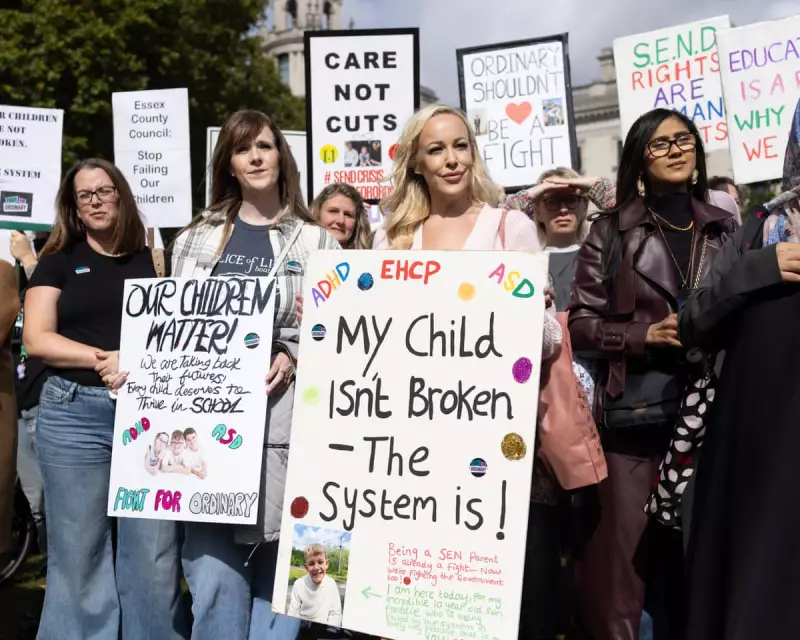
Alarming new research has exposed a deep and growing divide in England's education system, with mainstream schools actively steering away children with special educational needs and disabilities (Send). The study, conducted by the National Foundation for Educational Research (NFER), reveals a stark postcode lottery where some schools are left with up to six times the number of pupils requiring extra support compared to their neighbours.
A System at Breaking Point
The findings highlight intense pressure on the government as it prepares a delayed schools white paper intended to overhaul special needs provision and funding. Local authority leaders disclosed to researchers that they are aware of schools that are "happy" to see others take on children with education, health and care plans (EHCPs).
One council leader described how the more inclusive schools become "victims of their own success," attracting larger numbers of children with Send and subsequently overwhelming their resources. A Send officer from another authority confirmed the crisis, stating, "We've got a handful of schools across the county reaching a breaking point. It is not sustainable."

The disparity is shockingly clear in the numbers. In one local authority, some primary schools had 50% of pupils with identified special needs, while others had fewer than 5%. The research consistently found that schools drawing from more deprived areas were the most likely to have high numbers of Send pupils.
The Accountability Pressure Cooker
Matt Walker, the report's principal investigator, stated, "Our latest findings show the uneven spread of pupils with Send across mainstream schools risks creating significant pressures on those with the highest intakes." He warned that these inclusive schools, often working tirelessly, face growing financial and operational challenges.
The NFER's data quantifies the imbalance. Last year, 25% of primary schools had, on average, more than six times the number of pupils with EHCPs compared to those in the lowest quartile. In secondary schools, the top quartile had about five times higher rates than the lowest.
Local authority officials identified the root causes as a mix of parental choice, school ethos, and reputation. Informal networks, such as parent WhatsApp groups, often guide families towards schools known for inclusive policies. However, officials also noted that "accountability pressures" like exam results and Ofsted inspections actively discourage some schools from admitting pupils with Send, as headteachers fear the impact on their league table performance.
Call for Decisive Government Action
Daniel Kebede, general secretary of the National Education Union, said the findings confirm what educators have known for years. "Some schools actively avoid admissions from Send students," he stated. "Where schools are inclusive and have built good practice, they are too often finding themselves under attack from Ofsted."
He called for the government's upcoming Send reform and schools white paper to "address admissions inequalities and legislate for a mainstream inclusion model which works for all young people."
Analysis of Department for Education figures shows the scale of the shift, with 56% of pupils with EHCPs now educated in mainstream schools, up from 49% a decade ago, concentrating the pressure.
A Department for Education spokesperson responded, "This government inherited a Send system on its knees... We're determined to put that right by improving mainstream inclusion so every child can thrive at their local school." They pointed to over 100 listening sessions with families as part of their reform efforts. The success of these reforms will be critical for thousands of children and the schools struggling to support them.