Family's Fight for Special Needs Education Amid England's Send Overhaul
Parents across England are expressing deep concern as the government prepares to unveil sweeping reforms to the special educational needs system, with many fearing that vital support for disabled children could be jeopardised. One family from Lancashire has shared their harrowing journey through the current system, highlighting the urgent need for change while worrying about what the future may hold.
The Struggle for Support
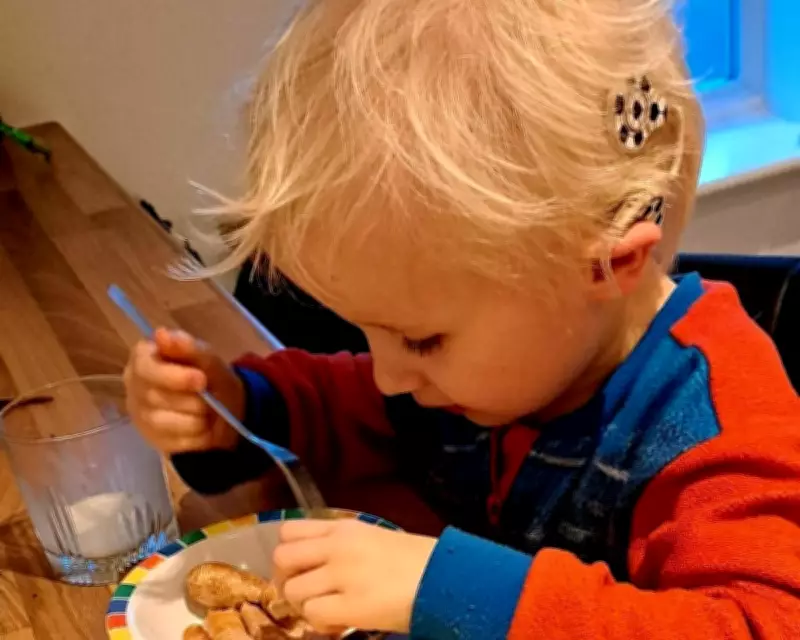
Harvey Hind, a bright five-year-old from Clitheroe who is deafblind, has faced significant challenges in accessing appropriate education. Despite his remarkable abilities – he can count to a thousand and recite the alphabet both forwards and backwards – Harvey's educational journey has been fraught with obstacles from the very beginning.
His parents, Kimberly and her husband, waited more than a year for an education, health and care plan (EHCP) – a legally binding document outlining the extra support Harvey requires. This delay far exceeded the statutory 20-week timeframe, leaving the family in limbo during crucial developmental years.

A Traumatic Nursery Experience
During the lengthy wait for his EHCP, Harvey was placed in a mainstream nursery where he struggled profoundly. Despite the best efforts of dedicated staff, the busy environment proved overwhelming for the young boy.
"It was heartbreaking," recalls Kimberly Hind, 35. "He was anxiety-ridden. It was distressing and extremely challenging on every level. He stopped eating, sleeping, listening, talking … everything. He just became this little boy that we didn't recognise."
The situation became so severe that Harvey stopped attending nursery entirely for three months, forcing his mother to leave her job managing a primary school kitchen to provide full-time care and support.
Finding the Right Environment
In September, Harvey began attending a special school for deaf children, where he has flourished remarkably. The transformation has been profound – he now wakes up excited to see his teacher, Mr Jones, and happily travels the hour-and-a-half journey each way to attend a small class of just five children.
"He runs out the door to his school taxi and comes back home extremely happy," says Kimberly. "He's come on so well cognitively, too. Everyone says he's very bright, especially with maths."
Lasting Effects and Ongoing Concerns
Despite his current success, the early trauma has left lasting marks. Harvey remains frightened of other children and avoids interaction with them, preferring the company of adults and his brothers.
"I think those early years of education are so important," Kimberly reflects. "If disabled children with complex needs miss out on them it has an impact for a very, very long time, if not for ever."
While acknowledging that the current system desperately needs reform, the family fears that impending changes might involve funding cuts that could reverse their hard-won progress.
Anxiety Over Proposed Reforms
"I fear they will have the power to take back what we've fought so hard for in the first place if there's cuts to funding," Kimberly told the Guardian. "Harvey does receive a lot of funding now that we fought for because he needs it. If they strip any of that back, he will suffer again."
Her concerns extend beyond funding to practical implementation issues. "You can change anything by law but the local authorities still won't follow it. They don't have the staff, the funding or the training."
The family's experience highlights the complex challenges facing special educational needs provision in England, as parents await details of the government's proposed overhaul with a mixture of hope and apprehension.